

Upper Dolpo & Shey Gompa Trek (23 Days) 23 Days Guide
Trail notes for Upper Dolpo & Shey Gompa Trek. Daily walking hours, pass elevations, teahouse stops, and permit logistics.
Upper Dolpo & Shey Gompa Trek
23-day remote traverse through western Nepal's high desert valleys, ancient Bon monasteries, and rugged Himalayan passes.
Key Trail Realities
What to expect along the Upper Dolpo and Shey Gompa route
Remote Trans-Himalayan Landscapes
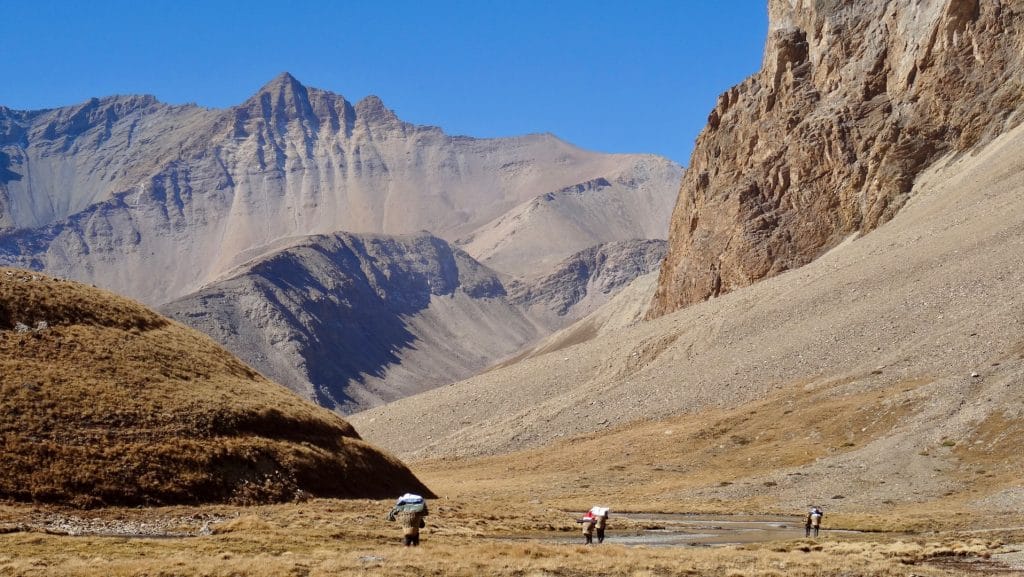
Traverse the arid rain shadow of Dolpo, where deep river canyons cut through windswept plateaus and ancient Tibetan-style mud-brick settlements sit beneath high desert cliffs.
Shey Gompa and Crystal Mountain
Spend time at the 11th-century Shey Monastery, nestled at the base of the sacred Crystal Mountain where pilgrims circumambulate the peak during the annual full moon festival.
High Alpine Pass Crossings
Cross multiple remote passes exceeding 5,000 meters, including Kang La, Saldang La, and Jeng La, requiring steady pacing across steep, loose scree and exposed ridges.
Phoksundo Lake Deep Blue Waters
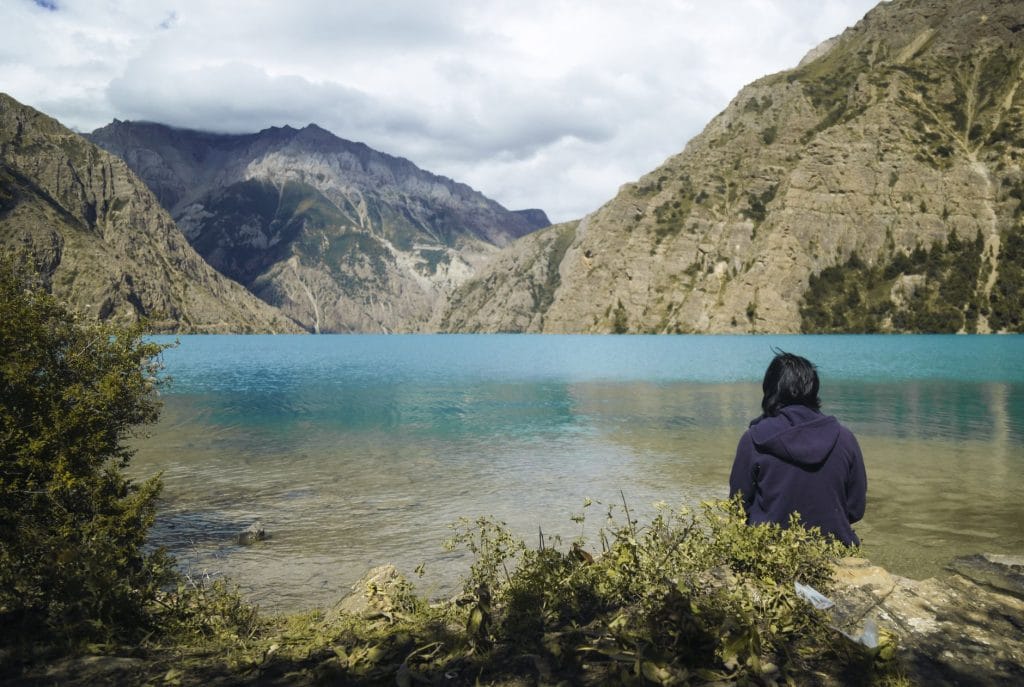
Camp by the shores of Phoksundo Lake at Ringmo village, observing its iconic turquoise waters fed by glacial melt and framed by towering pine-forested cliffs.
Restricted Area Wilderness
Walk through isolated valleys in one of Nepal's strictly regulated restricted regions, encountering yak caravans, traditional salt-trade routes, and ancient Bon-po monasteries.
High Altitude Camping Logistics
Operate in a fully supported tented camping setup for much of the upper route, as permanent teahouse infrastructure is extremely limited or absent beyond Ringmo.
Authentic Dolpali Cultural Immersion
Engage with remote Himalayan communities preserving ancient Tibetan traditions, local dialects, and traditional subsistence farming methods largely untouched by modern tourism.
Challenging Remote Access
Initiate the journey via mountain STOL flights into Juphal airstrip from Nepalgunj, followed by multi-week trekking routes across rugged terrain with no road access.
Trail Photos & Videos
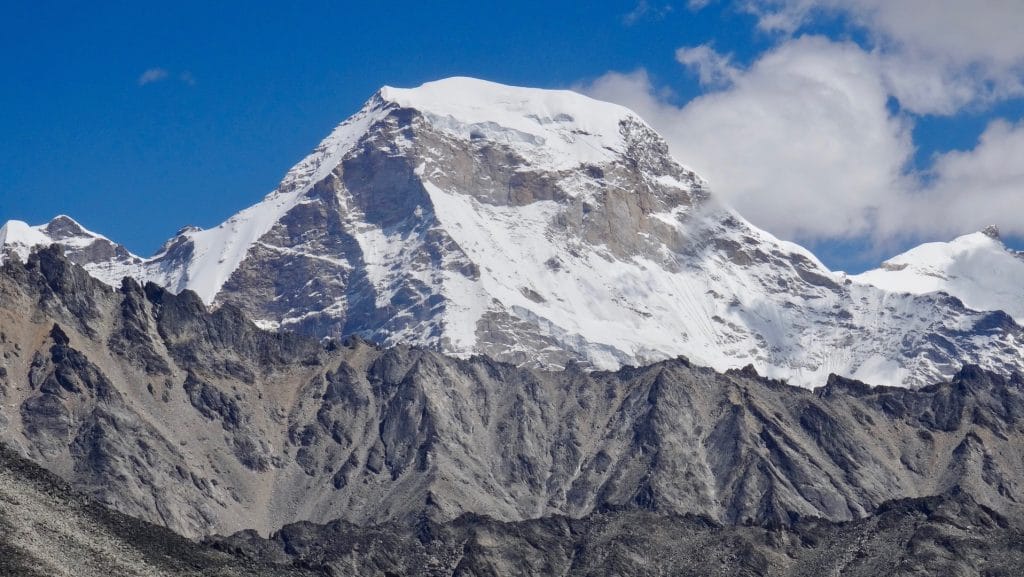
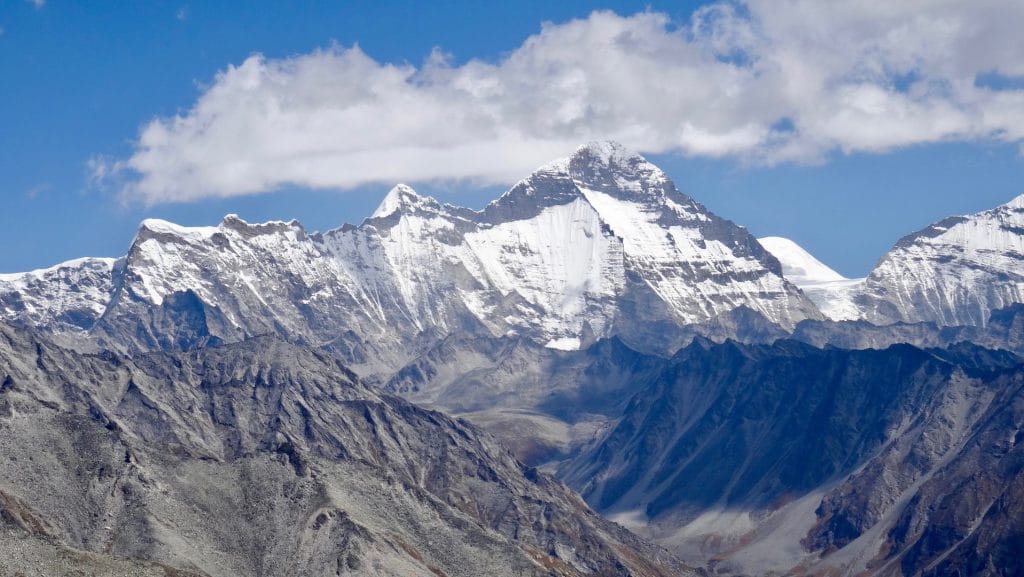
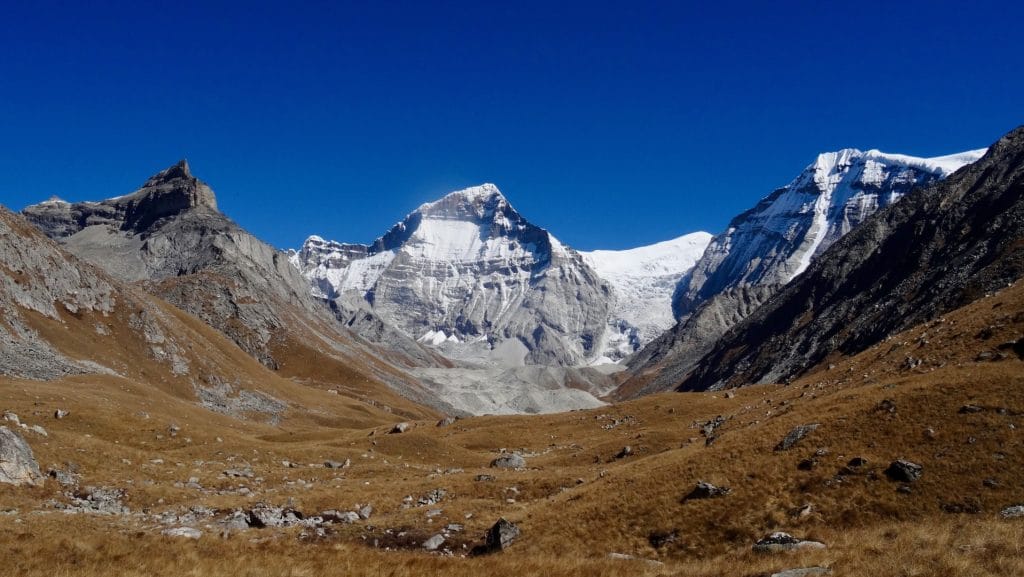
High-definition captures and video clips from Himalayan passes, glacial lakes, Sherpa villages, and mountain summits.

Upper Dolpo & Shey Gompa Trek (23 Days) Trail Map
Interactive OpenStreetMap topographic trail map tracing the route.
Key High-Altitude Stops
Compatible with Garmin, Apple Watch, Strava & Gaia GPS
Upper Dolpo & Shey Gompa Trek (23 Days) Weather Center
Real-time mountain weather and 5-day altitude forecasts across key Upper Dolpo & Shey Gompa Trek (23 Days) waypoints.
Loading weather for ...
Choose waypoint
Altitude Chart & Acclimatization Nodes
Strict adherence to "Hike High, Sleep Low" ensures safe high-altitude adaptation.
Complete Itinerary Route
Explore the detailed day-by-day routing, acclimatization schedule, and trek milestones.
Arrival in Kathmandu (1,350m)
Arrive at Tribhuvan International Airport and transfer to your hotel. Use the afternoon to review permits, confirm trekking gear, and complete official briefings covering restricted area regulations and emergency evacuation protocols.
Kathmandu to Nepalgunj
Board a domestic afternoon flight heading south-west to Nepalgunj near the Indian border. The climate changes immediately to a hot, humid Terai environment. Finalize logistics and rest up for the mountain flight early tomorrow morning.
Nepalgunj to Juphal (2,475m) to Dunai (2,140m)
Catch an early morning STOL flight over the Mahabharat range into Juphal airstrip. Meet your local crew and porter team, then descend along the hillside trail following the Thuli Bheri River toward the district headquarters of Dunai.
Dunai to Tarakot (2,540m)
HighlightThe trail meanders alongside the Bheri River canyon past suspension bridges and terraced farming plots. Cross the suspension bridge at Lawan and approach the ancient fortified village of Tarakot, historically known as Dzong.
Tarakot to Laina Odar (3,370m)
Climb above the Tarap Chu River gorge along narrow cliffside paths carved into the rock face. The vegetation thins out significantly as you gain elevation toward the natural overhang shelter known locally as Laina Odar.
Laina Odar to Toltol (3,520m)
Navigate steep rocky staircases alongside roaring glacial torrents. Pine forests give way to barren alpine scrub as the valley walls widen near the seasonal herder settlement of Toltol.
Toltol to Dho Tarap (4,090m)
Reach the sprawling Tibetan-culture village of Dho Tarap, enclosed by ancient stone walls. The high-altitude air feels noticeably thin here. Spend the afternoon observing local farming practices and traditional stone houses.
Acclimatization Day in Dho Tarap (4,090m)
AcclimatizationAllow red blood cell production to adjust to the 4,000-meter threshold. Hike up toward nearby Gompas like Ribo Bhumpa to assist acclimatization before spending the evening hydrating with garlic soup.
Dho Tarap to Num La Base Camp (4,400m)
HighlightAscend gradually through wide upper valleys where blue sheep frequently graze on arid slopes. Establish camp at the base of the Num La pass approach in preparation for tomorrow's crossing.
Num La Pass Crossing (5,309m) to Pelung Tang (4,465m)
HighlightTackle a strenuous pre-dawn ascent over loose scree and moraine to reach the wind-scoured summit of Num La. Descend carefully down steep, rocky terrain into the remote upper valley of Pelung Tang.
Pelung Tang to Tokyu (4,240m)
Follow the trail downstream through quiet gorges flanked by towering rock spires. Arrive at Tokyu village, featuring ancient monasteries and traditional Dolpo architecture.
Tokyu to Shey Gompa (4,340m) via Jeng La Pass (5,110m)
HighlightClimb steadily to conquer the Jeng La pass, offering panoramic views across the Dhaulagiri massif. Descend into the sacred Crystal Mountain valley to reach the historic Shey Gompa.
Exploration Day at Shey Gompa (4,340m)
HighlightExplore the 11th-century Shey Monastery and the famous Crystal Mountain circuit trail. This sacred site holds deep spiritual significance for local Bon-po and Buddhist practitioners alike.
Shey Gompa to Namgung (4,430m)
HighlightTraverse high arid ridges above the Saldang valley. Wind down a steep trail carved into red clay cliffs to reach the isolated cliffside hermitage and teahouses of Namgung.
Namgung to Saldang (3,770m)
Descend along terraced hillsides into Saldang, the largest trading settlement in the Inner Dolpo region. Explore narrow alleys lined with dried yak dung used for winter fuel.
Saldang to Yangze Gompa (3,750m)
HighlightHead north along the Nagon Khola riverbanks past scattered nomadic camps and wind-eroded bluffs. Arrive at Yangze Gompa, home to an ancient Bon monastery perched above the river.
Yangze Gompa to Sibu (4,560m)
HighlightTrace your path back toward the river junction and continue upstream through rugged terrain. Reach the small seasonal campsite of Sibu nestled near the base of the final high pass.
Sibu to Jeng La Base / Lakyang (4,800m)
HighlightFollow the Nam Khong Chu river valley northward before turning east into a barren side valley. Camp near the foot of the upcoming pass as temperatures drop sharply after sunset.
Crossing Jyang La / Mola Pass (5,030m) to Tok Kyang (3,910m)
HighlightClimb steadily over the rugged northern pass under high-altitude winds. Descend into the picturesque valley leading to Tok Kyang, surrounded by dramatic rock formations.
Tok Kyang to Chhepka (2,670m)
Descend rapidly through thickening pine forests and gorge trails, re-entering Shey Phoksundo National Park boundaries. The returning humidity and oxygen-rich air offer immediate physical relief.
Chhepka to Juphal (2,475m)
Complete the final trekking leg by walking along the Bheri River back toward Juphal. Celebrate the successful completion of the traverse with your local guide and porter team.
Juphal to Nepalgunj to Kathmandu
Board the early STOL flight from Juphal to Nepalgunj, then connect onward to Kathmandu. Check into your hotel and enjoy a relaxing evening after weeks in the remote wilderness.
Departure from Kathmandu
Transfer to Tribhuvan International Airport for your international flight home, carrying memories of the remote Dolpo valleys and ancient monasteries.
What's Covered & What's Not
A clear breakdown so you know exactly what to budget for and what's already taken care of.
Upper Dolpo Restricted Area Permit
- Mandatory USD $500 permit per person for the first 10 days, plus USD $50 for each additional day, issued by the Department of Immigration.
Shey Phoksumdo National Park Entry Permit
- Conservation permit required for entering protected park boundaries (NPR 3,000 per person).
Domestic Flight Logistics
- Scheduled flight sectors from Kathmandu to Nepalgunj and onward to Juphal airstrip.
Local Staffing
- Mandatory licensed government guide and registered porters for remote restricted zone safety compliance.
International Airfare
- Flights into Tribhuvan International Airport in Kathmandu.
Nepal Entry Visa
- On-arrival tourist visa fees payable in cash at Kathmandu airport ($50 USD for 30 days).
High-Altitude Rescue Insurance
- Mandatory emergency medical insurance covering helicopter evacuation above 5,000 meters.
Personal Expenses
- Hot showers, battery charging, bottled or purified water, and personal snacks on the trail.
Trail Meals & Hydration Rules
What to eat for stamina and altitude safety
Dhal Bhat Power
Rice, lentil soup, spiced potato, and spinach. Always comes with free refills to refuel after hours on the trail.
Garlic Soup
Thin clear garlic broth. Local guides consume this daily above 3,500 meters to help with blood circulation and warmth.
Boiled & Fried Potatoes
Dense carbohydrate source served with local cheese or chili paste in high Dolpo settlements.
Tibetan Bread & Honey
Deep-fried puffed flatbread. A reliable high-calorie breakfast before crossing high mountain passes.
Sherpa Stew (Shyakpa)
Thick vegetable and hand-pulled flour noodle soup served steaming hot in remote teahouses.
Boiled Eggs
Safe, reliable protein source available every morning at lodge kitchens throughout the region.
Boiled Water Bottles
Purchase boiled water at night and keep the metal bottle inside your sleeping bag for overnight warmth.
Ginger Lemon Honey Tea
Warm drink that cuts the dry mountain cough and stays warm in an insulated thermos during cold mornings.
Electrolyte Packs
Add one electrolyte sachet to 1L of water daily to replace mineral salts lost on steep ascents.
Water Purification Drops
Use chlorine dioxide tablets for natural water sources; wait a full 30 minutes before drinking.
Vegetarian Focus
Vegetarian dhal bhat and vegetable noodles remain the freshest food options in remote mountain lodges.
Naturally Gluten-Free
Rice dishes, plain boiled potatoes, and grain porridge options provide gluten-free energy.
Black Chiya Option
Ask for 'Kalo Chiya' (black tea) to avoid powdered milk if you are sensitive to dairy.
Kitchen Flexibility
Lodge cooks can prepare meals with less spice upon request if ordered before evening rush.
No Meat Above 3,500m
Meat is carried up on foot for days without refrigeration in remote valleys. Stick to vegetarian meals.
No Alcohol at High Camp
Alcohol causes rapid dehydration and masks early symptoms of acute mountain sickness.
Never Drink Untreated Water
Avoid drinking directly from village taps, rivers, or streams without filtration or purification tablets.
Skip Raw Salads
Stick to thoroughly cooked hot vegetables to prevent stomach bugs far from medical clinics.
Trip Preparation & Rules
Paperwork, remote flight logistics, and cash management for high trails
Passport & Visa Validity
Ensure your passport remains valid for at least six months past your arrival date. Obtain your 30-day tourist visa at Tribhuvan International Airport using cash USD.
High-Altitude Medical Insurance
Verify your insurance policy explicitly covers emergency helicopter evacuation up to 6,000 meters. Keep printed and digital copies of your policy number and emergency contact details.
Passport-Sized Photographs
Carry four physical passport-sized photos in your daypack. They are required by local permit checkpoints and regional registration desks.
Restricted Area & Park Permits
Upper Dolpo requires special restricted area permits processed through a registered trekking agency alongside Shey Phoksundo National Park entry paperwork.
Local Municipality Fees
Regional rural municipality entry fees apply along the trail. Keep all permit receipts accessible in an exterior pocket for frequent checkpoints.
Licensed Guide Regulation
Nepal Tourism Board rules mandate that foreign nationals trek with a licensed guide in designated national parks and conservation areas.
Strict Baggage Limits
Domestic flights to regional airstrips enforce a strict 15kg total limit, split into a 10kg checked duffel and a 5kg carry-on.
Weather Contingency Days
Mountain flights depend entirely on visibility. Build two to three buffer days into your schedule to absorb potential weather delays.
Manifest Check-In
Arrive at the domestic terminal early to verify ticket manifests and weigh bags before proceeding to security screening.
Sufficient Cash Reserves
ATMs are unavailable beyond major regional hubs. Carry enough Nepalese Rupees in small denominations to cover meals, hot water, and charging.
Small Denominations
Teahouse operators struggle to change large 1,000-rupee notes for minor purchases. Keep a steady supply of 100-rupee and 500-rupee notes.
Kathmandu Cash Withdrawal
Withdraw maximum daily limits from reliable ATMs in Kathmandu before departure, as machines frequently run out of cash or lose power.
Trail Customs & Rules
Practical rules for passing animals, stupas, and village paths
Pass Stupas Clockwise
- •Always keep Mani stones, chortens, and mani walls on your right side.
- •Spin prayer wheels in a clockwise direction only.
- •Never sit or place gear on inscribed prayer stones.
Pack Animal Right-of-Way
- •Always step to the mountain wall side when yak or mule caravans pass.
- •Never stand on the outer cliff edge as startled animals can knock trekkers off balance.
- •Give working animals wide berth and wait for pack trains to clear narrow ledges.
Photography and Monastery Customs
- •Ask permission before photographing residents, elders, or children in remote settlements.
- •Turn off camera flash inside monastery halls and prayer rooms.
- •Leave a small donation in the box when visiting active gompas or sacred sites.
Water and Waste Management
- •Pack out all non-degradable wrappers and batteries.
- •Avoid single-use plastic water bottles by using purification drops or iodine.
- •Never dispose of wet wipes or plastic trash in local pit toilets.
Village and Home Respect
- •Remove footwear before entering teahouse kitchens, private homes, and temple sanctuaries.
- •Dress modestly by covering shoulders and knees in traditional mountain villages.
- •Ask permission before entering restricted agricultural yards or drying areas.
Firewood and Natural Resources
- •Never purchase wood-fueled hot water systems in fragile high-altitude conservation zones.
- •Rely on solar-heated showers where available or use a basic bucket wash.
- •Respect local water sources and avoid washing clothes directly in drinking water taps.
Permits & Emergency Directory
Current permit fee structures and official emergency contacts for Dolpo
Required Permits & Mandatory Fees
-
📜Shey Phoksundo National Park Permit NPR 3,000
Required for entry into the Shey Phoksundo National Park conservation area, obtained at the NTB office in Kathmandu or Pokhara.
-
🛂Upper Dolpo Restricted Area Permit $500 USD for first 10 days
Mandatory special restricted area permit for Upper Dolpo, requiring a minimum group size of two and a government-licensed guide.
-
🛂Dolpo Buddha / Shey Phoksundo Rural Municipality Fee NPR 2,000
Local regional development fee collected at trail checkpoints inside the rural municipality.
Nepal Tourism Directory
Official contact channels for permits, park regulations, and emergency rescue assistance.
Power, Connectivity & Showers
Realistic day-to-day guide for charging, phones, and hygiene
Device Charging
Electricity in upper villages comes from solar micro-grids. Expect to pay Rs 300 to 600 per device in shared dining halls. Bring a high-capacity power bank and keep it inside your sleeping bag at night to protect the battery from freezing temperatures.
Mobile Connectivity
Nepal Telecom (NTC) provides intermittent signals near lower valley settlements, while coverage disappears completely in remote gorges and high mountain passes. Satellite-based messaging devices are recommended for remote safety communication.
Hot Showers
Basic bucket or gas-heated showers are available in lower guesthouses for Rs 400 to 600. Above 4,000 meters, running water often freezes solid, and bathing risks rapid heat loss in unheated stone buildings.
Water Access
Do not rely on single-use plastic bottles. Carry two wide-mouth water bottles treated with chlorine dioxide or iodine tablets, and supplement with hot water flasks purchased from teahouses during cold evenings.
Altitude Safety & Health
How to handle altitude symptoms and emergency protocols
Daily Symptom Monitoring
Watch closely for early acute mountain sickness signs: throbbing headaches that do not yield to ibuprofen, loss of appetite, nausea, dizziness, and sudden insomnia.
Helicopter Evacuation
Ensure your insurance policy covers emergency rescue up to 6,000 meters; remote Dolpo passes require air evacuation if high altitude pulmonary or cerebral edema sets in.
Satellite Communication
Cellular signal disappears completely for days across Upper Dolpo. Carry a satellite messenger or rely on guide-operated Garmin devices for emergency contact.
Hydration Strategy
Count hot lemon, black tea, and garlic soup toward daily hydration goals alongside treated water, aiming for consistent fluid intake before thirst arrives.
The Golden Altitude Rule
If symptoms worsen overnight or coordination falters like a drunk stumble, do not wait for morning. Dropping 500 to 1,000 meters reverses symptoms fast and saves lives.
Highland Villages & Wildlife
Indigenous communities and wildlife along the trail
Bhotia & Tibetan Heritage
Upper Dolpo is inhabited predominantly by ethnic Bhotia communities preserving centuries-old Tibetan language, customs, and traditional flat-roofed stone settlements.
Trans-Himalayan Trade Roots
Historical trading paths where salt, grain, and wool were bartered across high mountain passes between Tibet and the Nepalese middle hills.
Yak Wool & Traditional Weaving
Local households spin thick yak and sheep wool into durable blankets, rugs, and heavy woolen cloaks suited for harsh sub-zero winters.
Shey Gompa (Crystal Monastery)
An 11th-century Buddhist monastery nestled beneath Crystal Mountain, serving as the spiritual heart of Upper Dolpo.
Bon Po Tradition & Shrines
Ancient Bon monasteries and chortens practicing pre-Buddhist shamanic traditions, uniquely identified by counter-clockwise prayer circumambulation.
Crystal Mountain (Shelri)
A sacred peak revered by pilgrims who walk its demanding 14-kilometer circuit clockwise every year to cleanse negative karma.
Snow Leopards & Blue Sheep
Shey Phoksundo National Park provides protected terrain for elusive snow leopards, Himalayan blue sheep (bharal), and Tibetan wolves.
High-Altitude Raptors
Golden eagles and lammergeiers frequently patrol the rocky cliffs, high ridges, and glacial valleys above 4,000 meters.
Alpine Flora & Medicinal Herbs
High-altitude meadows sustain hardy dwarf juniper, caragana shrubs, and valuable medicinal plants like yarsagumba.
Essential Packing Checklist
Prepare 1 duffel bag (handled by porter team) and 1 daypack for personal warm layers & water.
Frequently Asked Questions
Honest answers about the Upper Dolpo & Shey Gompa Trek route