

Everest Three Passes Trek (14-16 Days) 16 Days Guide
You will spend 14 to 16 days moving through high valleys and crossing three high passes above 5,300 meters. Daily walks run 5 to 7 hours over rocky moraines, steep switchbacks, and exposed ridgelines. Teahouses provide basic rooms and hot meals like dal bhat, thukpa, and momos, but heating and hot water cost extra. You need a TIMS card and a Sagarmatha National Park entry permit. Acclimatization days are built into the schedule to handle the thin air, and you must treat all water with filters or purification tablets. Pack layers for sudden temperature drops, sturdy boots for loose scree, and expect cold nights above 4,000 meters. This route demands steady pacing and respect for altitude, not speed.
Everest Three Passes Trek
16-day high-altitude circuit crossing Renjo La, Cho La, and Kongma La passes. Demanding daily climbs, rugged moraine, and sweeping Himalayan panoramas.
Key Trail Realities
What to expect along the route
Renjo La Pass Crossing
Ascend stone staircases and scree slopes to reach the 5,360m pass overlooking Gokyo lakes and Cho Oyu.
Cho La Pass Traverse
Navigate a technical glacial moraine and snow-covered trail at 5,420m connecting Dzongla to Thagnak.
Kongma La Summit
Cross the highest pass of the circuit at 5,535m, passing frozen high-altitude tarns between Chhukung and Lobuche.
Gokyo Ri Viewpoint
Climb the steep morning ridge at 5,357m for a wide panorama across Everest, Lhotse, Makalu, and Cho Oyu.
Khumbu Icefall and EBC Approach
Hike past Gorak Shep to Everest Base Camp at 5,364m, viewing the active lower Khumbu Glacier base camps.
Tengboche Monastery Ridge
Visit the historic Sherpa spiritual center situated on a forested spur beneath Ama Dablam.
High Altitude Teahouse Realities
Stay in basic stone lodges above Namche Bazaar where dining rooms rely on yak dung or wood stoves for heat.
Chhukung Valley Acclimatization
Spend a night at 4,730m to adapt to thin air before tackling consecutive high-pass crossings.
Trail Photos & Videos
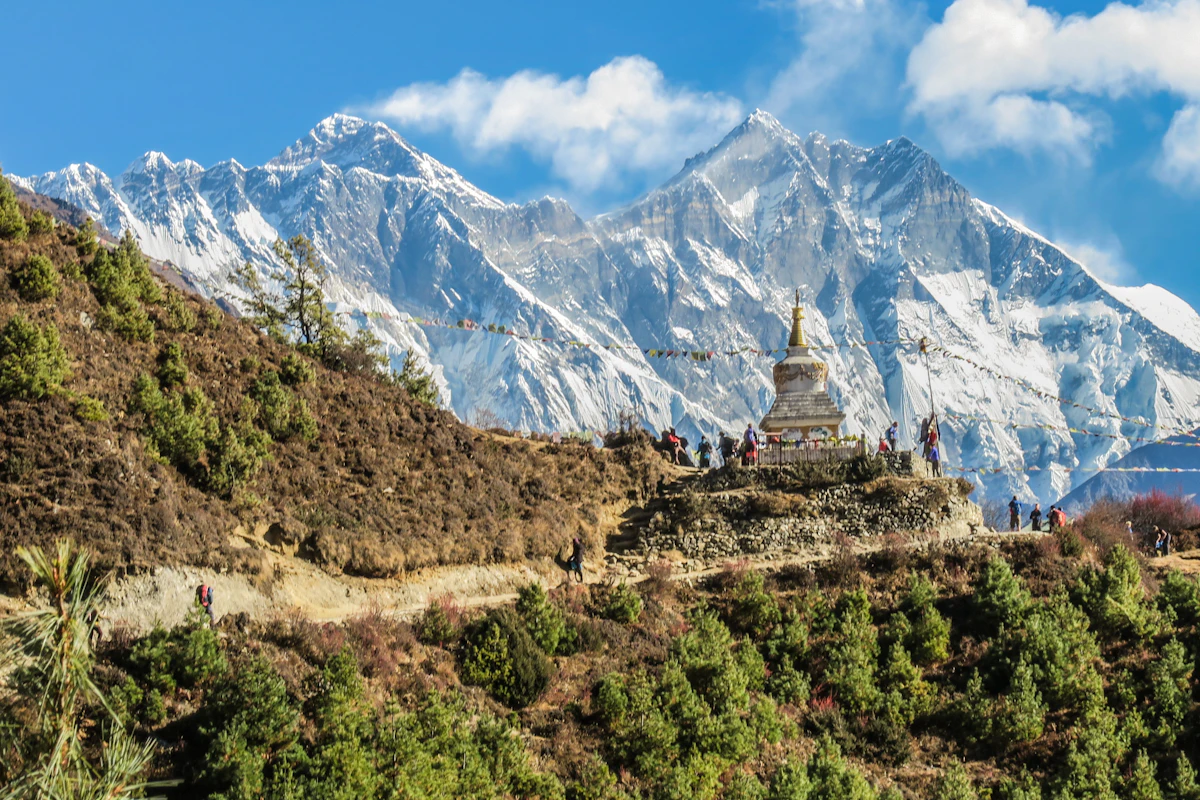
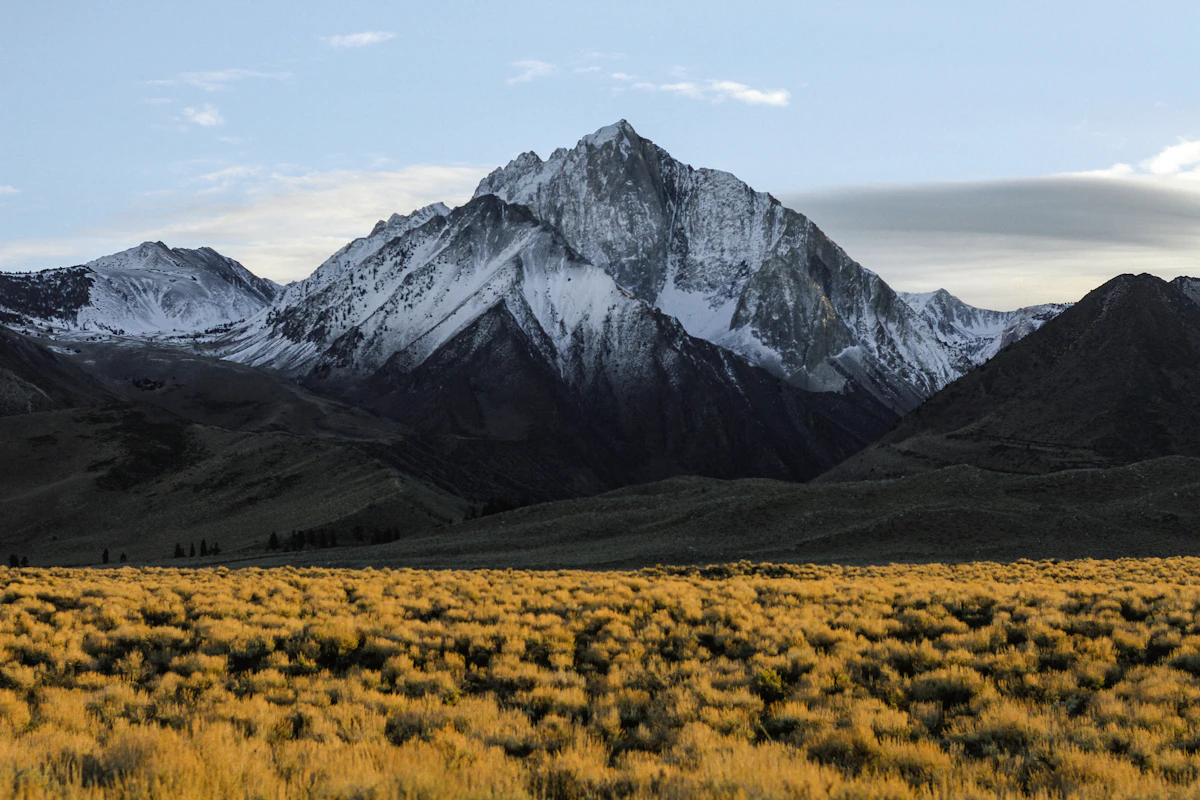
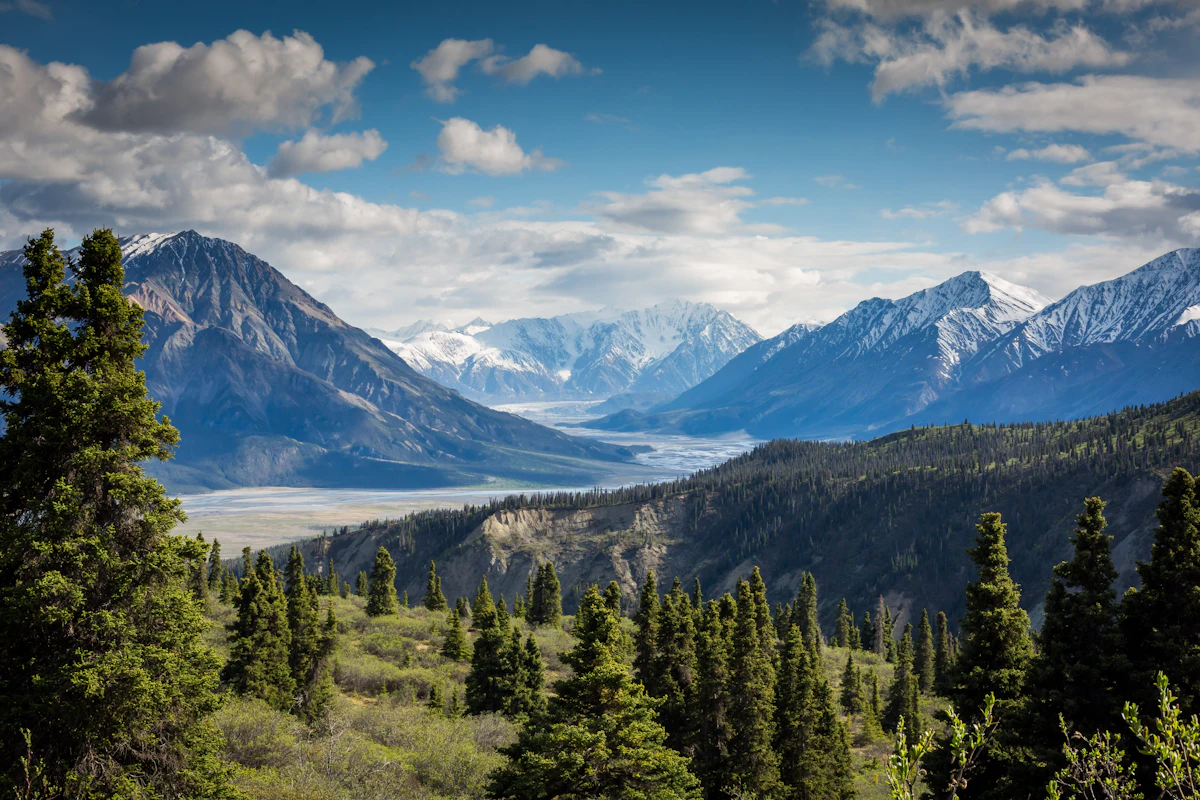
High-definition captures and video clips from Himalayan passes, glacial lakes, Sherpa villages, and mountain summits.


Everest Three Passes Trek (14-16 Days) Trail Map
Interactive OpenStreetMap topographic trail map tracing the route.
Key High-Altitude Stops
Compatible with Garmin, Apple Watch, Strava & Gaia GPS
Everest Three Passes Trek (14-16 Days) Weather Center
Real-time mountain weather and 5-day altitude forecasts across key Everest Three Passes Trek (14-16 Days) waypoints.
Loading weather for ...
Choose waypoint
Altitude Chart & Acclimatization Nodes
Strict adherence to "Hike High, Sleep Low" ensures safe high-altitude adaptation.
Complete Itinerary Route
Explore the detailed day-by-day routing, acclimatization schedule, and trek milestones.
What's Covered & What's Not
A clear breakdown so you know exactly what to budget for and what's already taken care of.
Sagarmatha National Park Permit
- Mandatory entry permit purchased in Kathmandu or at the Monjo checkpoint (NPR 3,000).
Khumbu Pasang Lhamu Rural Municipality Fee
- Local government entry fee replacing the old TIMS card, payable at Lukla or Monjo (NPR 3,000).
Domestic Flight to Lukla
- One-way flight from Ramechhap (Manthali) or Kathmandu to Tenzing-Hillary Airport.
Teahouse Accommodation
- Basic twin-share lodge room along the Khumbu valley and pass routes.
International Airfare
- Flights from your home country to Kathmandu.
Nepal Entry Visa
- Tourist visa fees payable upon arrival at Tribhuvan International Airport.
High-Altitude Rescue Insurance
- Mandatory travel insurance covering emergency helicopter evacuation above 5,500m.
On-Trail Extras
- Hot showers, battery charging, Wi-Fi access, bottled or boiled drinking water, and personal tips.
Trail Meals & Hydration Rules
What to eat for stamina and altitude safety
Dhal Bhat
Steamed rice, lentil soup, vegetable curry, and pickles. Order this for dinner because free refills provide the best calorie value on the trail.
Garlic Soup
A clear, thin broth loaded with crushed local garlic cloves. Excellent for hydration and throat comfort in dry mountain air above 3,500m.
Boiled Potatoes
Simple starchy root vegetables available in every high settlement. Pair with salt or hot chili sauce for steady, easily digestible carbohydrates.
Tibetan Bread
Thick, deep-fried flatbread served with honey or yak cheese. High in calories and keeps energy steady through cold morning climbs.
Purified Tap Water
Fill two wide-mouth Nalgene bottles from lodge taps and treat with chlorine dioxide tablets or iodine drops. Wait thirty minutes before drinking.
Ginger Lemon Honey Tea
A hot, soothing brew found at every teahouse. Counts toward your daily 3 to 4 liters of fluid intake while easing throat irritation.
Electrolyte Powders
Bring personal electrolyte sachets to mix into purified water. Essential for preventing muscle cramps during long, steep ascents.
Hot Water Bottle Trick
Buy a liter of boiled water before bed, seal it tightly in a hard Nalgene bottle, and slide it inside your sleeping bag for warmth.
Vegetarian Preference
Sticking to vegetarian meals above Namche Bazaar significantly reduces the risk of foodborne illness in remote teahouses.
Rice and Potato Staples
Gluten-sensitive travellers can rely safely on rice, potatoes, dal, and eggs, which form the base of most mountain menus.
Black Tea Alternatives
Most teahouses use powdered milk for milk tea. Request black tea (kalo chiya) or black coffee if you have dairy sensitivities.
Morning Egg Orders
Order boiled or fried eggs early in the morning alongside chapati or porridge to secure a dependable protein base before setting off.
Meat Above 3,500m
Avoid yak meat and chicken in upper villages. Meat is hauled up on foot for days without refrigeration and spoils easily.
Alcohol at Altitude
Skip beer and spirits above 3,000m. Alcohol dehydrates the body quickly and masks early warning signs of acute mountain sickness.
Untreated Stream Water
Never drink directly from glacial streams or taps without proper purification or boiling, as livestock graze upstream.
Raw Vegetables
Avoid uncooked salad greens and unpeeled fruits washed in unverified water sources to prevent stomach infections.
Trip Preparation & Rules
Paperwork, flight baggage limits, and cash guidelines
Passport & Tourist Visa
Passport must remain valid for six months beyond arrival. Purchase a 30-day tourist visa ($50 USD cash) on arrival at Tribhuvan International Airport.
High-Altitude Rescue Insurance
Policy must explicitly list emergency helicopter evacuation coverage up to 6,000 meters. Keep a printed copy and digital backup of the emergency hotline.
Passport-Sized Photographs
Carry four printed passport photos. They are required for local municipality registration counters and local SIM card activation.
Permit Documentation Copies
Keep multiple paper photocopies of your passport details page and visa stamp in separate bags for checkpoint inspections.
Khumbu Pasang Lhamu Permit
Local rural municipality entry permit (NPR 3,000) obtained upon arrival in Lukla or Monjo. Note: TIMS cards are not required or valid in the Khumbu region.
Sagarmatha National Park Permit
Mandatory national park entry permit (NPR 3,000 + 13% VAT = NPR 3,390) obtained in Kathmandu at the Tourism Board or directly at the Monjo park entrance.
Licensed Guide Requirement
Under Nepal Tourism Board regulations, foreign trekkers must trek with a licensed government guide for safety and environmental sustainability.
Strict 15kg Baggage Allowance
Domestic mountain flights enforce a strict 10kg checked duffel and 5kg hand luggage limit. Excess weight incurs heavy per-kilogram fees.
Weather-Dependent Schedule Buffers
Flights between Ramechhap or Kathmandu and Lukla face frequent weather delays. Build two extra buffer days into your travel schedule.
Ramechhap Road Transfer Logistics
During peak trekking seasons, flights to Lukla depart from Manthali Airport in Ramechhap, requiring a 4-to-5-hour pre-dawn road transfer from Kathmandu.
Adequate Nepalese Rupee Reserves
Carry sufficient physical currency in local rupees before leaving Namche Bazaar. ATMs beyond Namche are non-existent or unreliable.
Small Denominations for Teahouses
Keep plenty of Rs 100, 500, and 1,000 notes. Teahouse operators cannot easily break large Rs 2,500 or Rs 5,000 notes for small purchases.
Limited Card Acceptance
Digital payments and credit cards fail frequently due to poor internet connectivity and intermittent electricity in higher mountain settlements.
Trail Customs & Rules
Practical rules for passing animals, stupas, and village paths
Pass Stupas Clockwise
- •Always keep Mani stones and chortens on your right side.
- •Spin prayer wheels clockwise only.
- •Never sit on or lean against inscribed prayer stones.
Yak & Mule Right-of-Way
- •Step to the mountain wall side when caravans approach.
- •Never stand on the cliff edge — animals can spook.
- •Wait for the dust to settle before continuing.
Monastery & Photo Protocol
- •Ask permission before photographing monks or elders.
- •No flash inside prayer halls at Tengboche, Pangboche, or Thame.
- •Leave Rs 100–200 in the donation box when visiting.
Waste & Water Discipline
- •Pack out every plastic wrapper — no bins above Namche.
- •Use purification tablets or boiled water; skip single-use bottles.
- •Never toss batteries, wet wipes, or sanitary items in pit toilets.
Teahouse Courtesy
- •Remove boots at the lodge entrance; use provided slippers.
- •Order meals early — kitchens close by 8 PM at high altitude.
- •Share the dining room stove space; don't monopolize the heat.
Uphill Traffic Priority
- •Ascending trekkers have right of way on narrow sections.
- •Step aside on stable ground, not loose scree.
- •A quick 'Namaste' acknowledges the yield without stopping flow.
Prayer Flag & Mani Wall Respect
- •Do not step over prayer flags laid on the ground.
- •Avoid touching or moving Mani wall stones.
- •Walk around, not through, flag-draped passes like Kongma La.
Permits & Emergency Directory
Current permit fee structures and official emergency contacts for the Khumbu region
Required Permits & Mandatory Fees
-
📜Sagarmatha National Park Entry Permit NPR 3,000
Required for all trekkers entering the Sagarmatha National Park. Payable at the NTB office in Kathmandu or at the Monjo checkpoint.
-
📜Khumbu Pasang Lhamu Rural Municipality Fee NPR 3,000
Mandatory local government fee replacing the old TIMS card within the Khumbu region. Collected at Lukla or Monjo.
-
🛂Evacuation Insurance Verification Mandatory
Commercial policies must explicitly cover high-altitude helicopter rescue and medical evacuation up to 6,000 meters.
Nepal Tourism Directory
Official contact channels for permits, park regulations, and emergency rescue assistance.
Power, Connectivity & Showers
Realistic day-to-day guide for charging, phones, and hygiene
Device Charging
Lodge solar systems struggle with demand above Namche. Charging costs Rs 300 to 600 per device or power bank. Carry a high-capacity 20,000mAh battery pack and keep it inside your sleeping bag at night to prevent lithium drain from freezing temperatures.
Mobile SIM & Data
Ncell and Nepal Telecom (NTC) networks reach Namche and Tengboche, but signals drop or disappear entirely across the high passes and remote valleys. Local physical SIM cards remain the standard connectivity option.
Hot Showers
Gas or solar-heated showers cost between Rs 400 and 700. Above 4,000 meters, wet wipes and a quick basin wash prevent the rapid chill that follows damp hair and cold air exposure.
Internet Access
Everest Link prepaid Wi-Fi cards work in major teahouses up to higher elevations, though speeds slow down drastically when weather closes in or network traffic peaks.
Altitude Safety & Health
How to handle altitude symptoms and emergency protocols
Daily Symptom Monitoring
Watch closely for early AMS signs: persistent headache, loss of appetite, nausea, dizziness, and insomnia.
Helicopter Evacuation
In case of severe HAPE or HACE, guides dispatch emergency rescue helicopters to Kathmandu hospitals.
Satellite SOS Communication
Carry a Garmin inReach or ensure your guide carries satellite SOS for dead-zone sections.
Hydration and Electrolytes
Count hot lemon, black tea, and garlic soup toward daily hydration goals alongside treated water.
The Golden Altitude Rule
If you have a headache, nausea, or dizziness, do NOT ascend. If symptoms worsen after resting, descend 300–500m immediately. Descent is the only guaranteed cure.
Highland Villages & Wildlife
Indigenous communities and wildlife along the trail
Highland Farming Life
Stone-walled terraces growing barley, buckwheat, and mountain potatoes.
Traditional Hearth & Hospitality
Stone teahouses warmed by central stoves where travellers gather in the evening.
Hand-Woven Wool Craftsmanship
Hand-spun sheep and yak wool woven into warm blankets and winter wear by village families.
Ancient Monasteries & Gompas
Centuries-old Buddhist shrines and prayer halls with sacred ritual significance.
Prayer Flags & Mani Walls
Stone walls carved with sacred Buddhist mantras lining paths approaching high settlements.
Sacred Mountain Peaks
Himalayan massifs revered locally as spiritual guardians and abodes of protective deities.
Himalayan Tahr & Musk Deer
Look for cliff-dwelling Himalayan tahr, musk deer, and pheasant species in upper alpine forests.
Rhododendron Blooms
Spring trails bloom with vibrant red and pink rhododendron blossoms in sub-alpine valleys.
Alpine Raptors
Golden eagles and lammergeiers (bearded vultures) soaring above high ridges and glacial moraines.
Essential Packing Checklist
Prepare 1 duffel bag (handled by porter team) and 1 daypack for personal warm layers & water.
Frequently Asked Questions About the Everest Three Passes Trek
Clear, practical answers regarding permits, high-altitude navigation, daily budgets, and safety for the 16-day circuit.