

Makalu Base Camp Trek (16-18 Days) Field-Tested Route Notes
Field-tested trail notes for Makalu Base Camp. Daily walking hours, pass elevations, teahouse stops, and permit logistics.
Makalu Base Camp Trek
18-day route along the Makalu Base Camp Trek. Daily climbs range from 400m to 900m on rock, steep stone stairs, and alpine moraine.
Key Trail Realities
What to expect along the route
Remote Eastern Valley Approach
Traverse the isolated lower Arun River drainage, passing through terraced Rai and Sherpa settlements well away from heavy tourist traffic.
High Altitude Glacier Moraines
Navigate loose rock and steep lateral moraines as the trail ascends toward the massive south face of Makalu above 5,000 meters.
Chhongri and Shipton La Crossings
Climb over high mountain passes on rocky tracks framed by stone cairns, frozen tarns, and expansive views of the Barun valley basin.
Makalu Barun National Park Entry
Pass through protected alpine forests, cascading waterfalls, and deep gorges within a remote conservation area spanning tropical to sub-zero zones.
Basic Teahouse Infrastructure
Stay in stone-and-timber lodges featuring central wood stoves in the dining room, unheated rooms, and limited battery charging facilities.
High Base Camp Acclimatization
Spend nights at high elevation camps like Shipton La and Hillary Base Camp where temperatures drop below freezing and morning skies offer clear ridge views.
Rugged Stone Staircase Ascents
Tackle steep, uneven stone steps through damp sub-alpine forests before breaking out into open rocky ridges above tree line.
Autonomous Trail Logistics
Carry daily gear or rely on local porters while moving self-sufficiently through an expedition route with limited medical rescue points.
Trail Photos & Videos
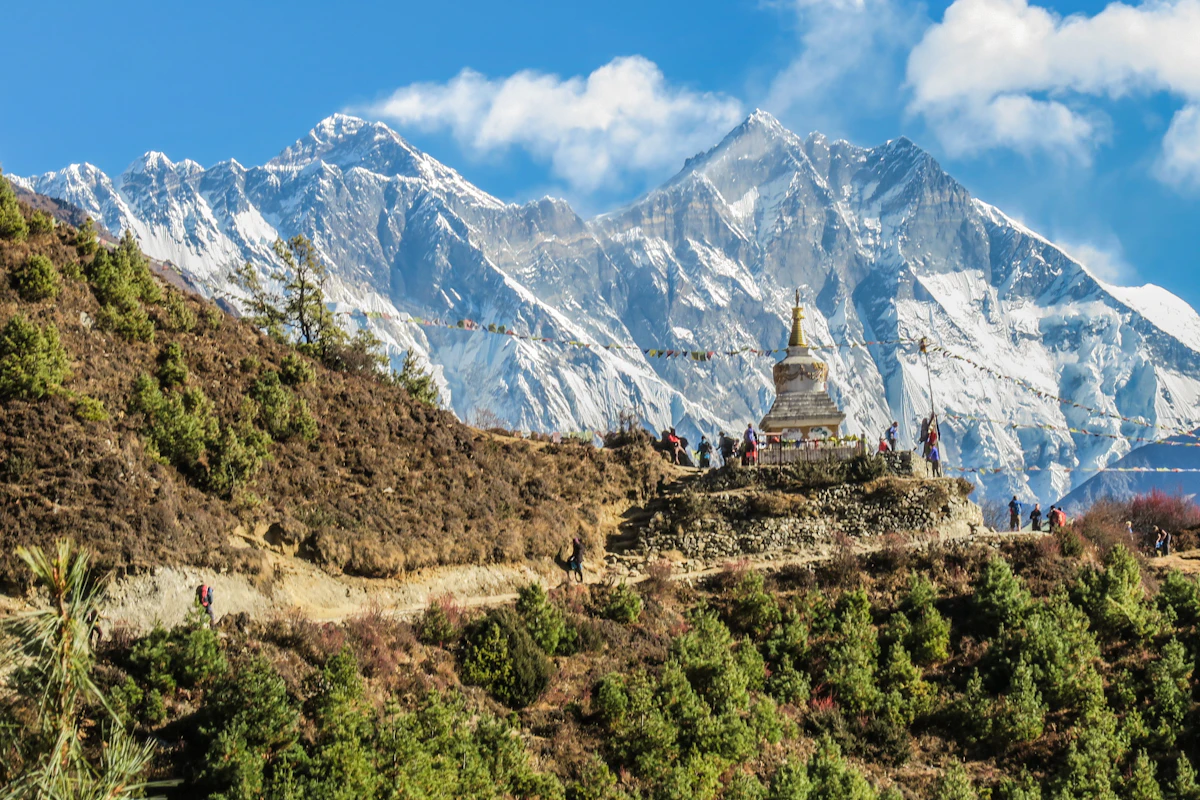
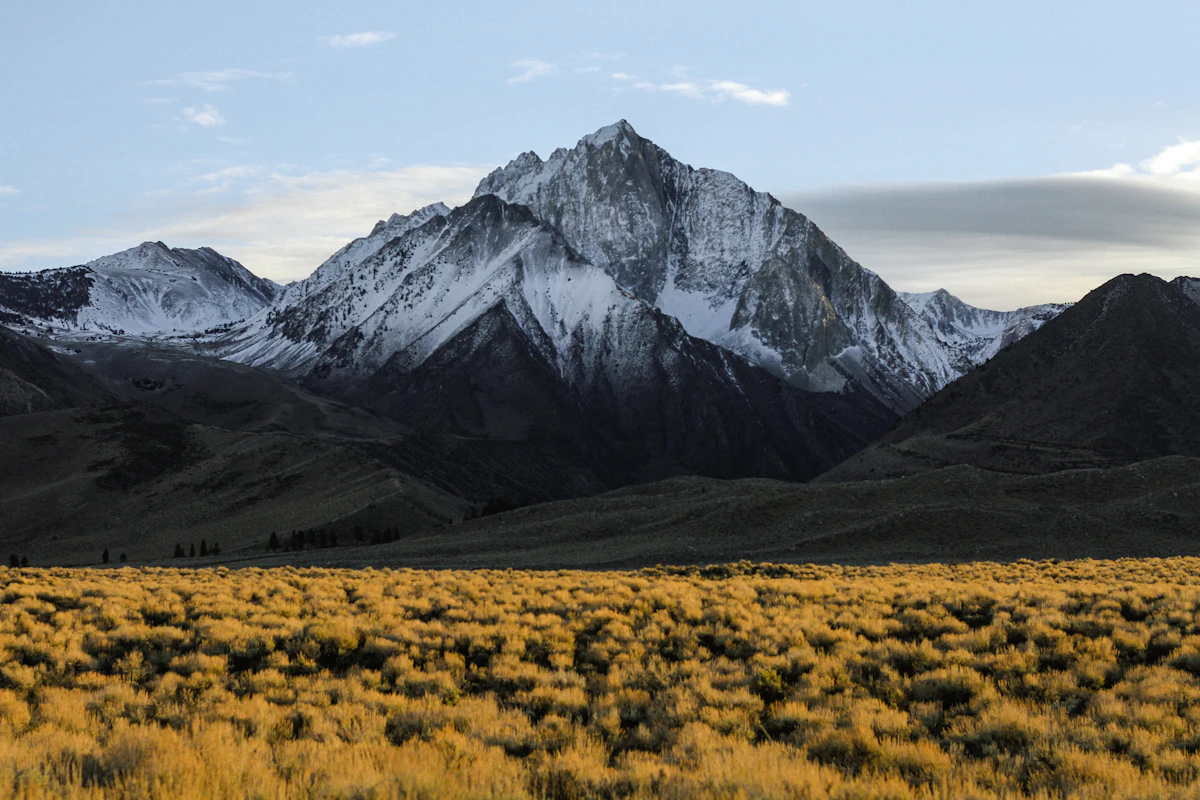
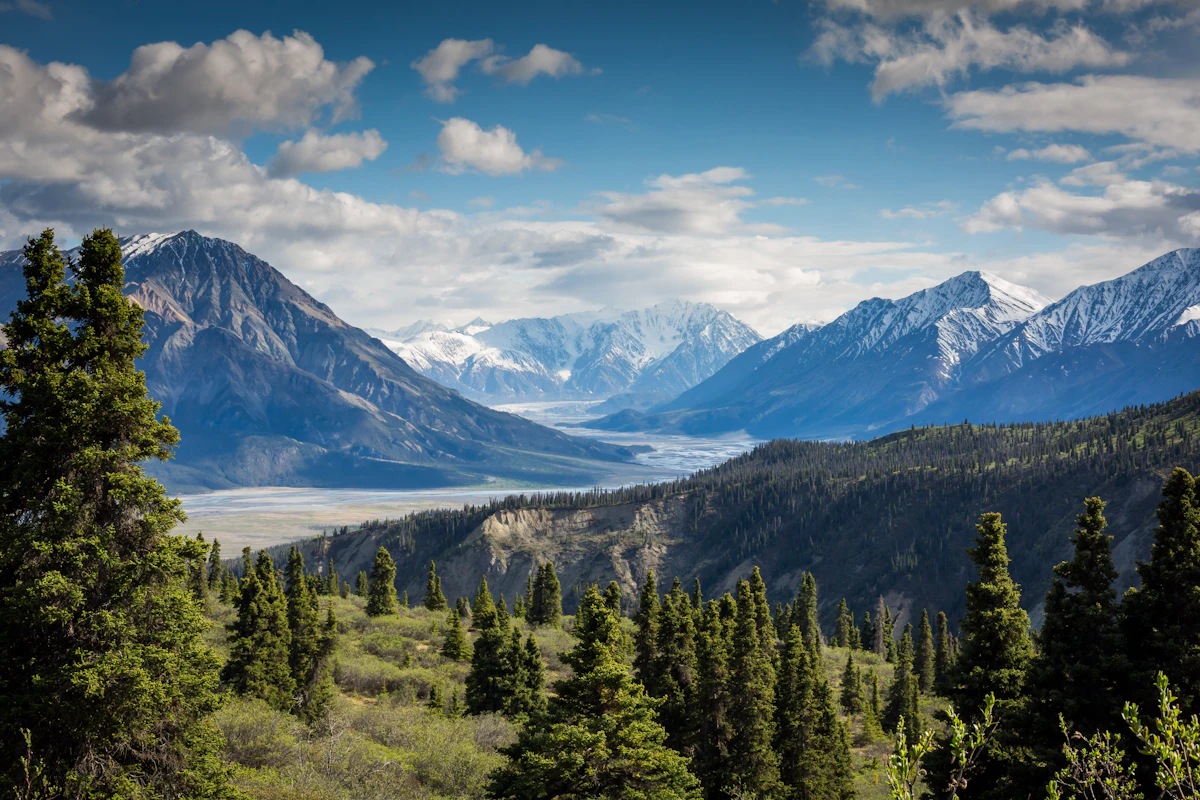
High-definition captures and video clips from Himalayan passes, glacial lakes, Sherpa villages, and mountain summits.


Makalu Base Camp Trek (16-18 Days) Trail Map
Interactive OpenStreetMap topographic trail map tracing the route.
Key High-Altitude Stops
Compatible with Garmin, Apple Watch, Strava & Gaia GPS
Makalu Base Camp Trek (16-18 Days) Weather Center
Real-time mountain weather and 5-day altitude forecasts across key Makalu Base Camp Trek (16-18 Days) waypoints.
Loading weather for ...
Choose waypoint
Altitude Chart & Acclimatization Nodes
Strict adherence to "Hike High, Sleep Low" ensures safe high-altitude adaptation.
Complete Itinerary Route
Explore the detailed day-by-day routing, acclimatization schedule, and trek milestones.
Arrival in Kathmandu & Expedition Briefing
Arrive at Tribhuvan International Airport and transfer to your hotel. Complete final gear checks and attend the comprehensive expedition safety and permit briefing.
What's Covered & What's Not
A clear breakdown so you know exactly what to budget for and what's already taken care of.
Makalu Barun National Park Permit
- Required conservation area entry permit obtained through the Nepal Tourism Board or park entry gates.
Local Rural Municipality Fee
- Local administrative entry fee paid at the trailhead to support path upkeep and community infrastructure.
Teahouse Accommodation
- Basic twin-share lodge room throughout the lower and middle valleys of the Makalu drainage.
Licensed Guide Wages
- Mandatory certified local guide as required by Nepal Tourism Board regulations for mountain hiking routes.
International Airfare
- Flights from your departure country to Kathmandu Tribhuvan International Airport.
Nepalese Tourist Visa
- Visa on arrival fees payable in cash at the airport ($30 USD for 15 days up to $125 USD for 90 days).
Emergency Evacuation Insurance
- Mandatory medical and helicopter rescue insurance policy covering elevations above 5,000 meters.
On-Trail Incidentals
- Hot showers, battery charging fees, bottled or boiled drinking water, and personal snack purchases.
Trail Meals & Hydration Rules
What to eat for stamina and altitude safety
Dhal Bhat Power
Rice, lentil soup, spiced potato, and spinach. Always comes with free refills to refuel after six hours on trail.
Garlic Soup
Thin clear garlic broth. Local guides drink this daily above 3,500m to help with blood circulation and warmth.
Boiled & Fried Potatoes
Dense carbohydrate source served with local cheese or chili paste in high settlements.
Tibetan Bread & Honey
Deep-fried puffed flatbread. Hearty breakfast before an early morning climb.
Sherpa Stew (Shyakpa)
Thick vegetable and hand-pulled flour noodle soup served steaming hot.
Boiled Eggs
Safe, reliable protein source available every morning at lodge kitchens.
Boiled Water Bottles
Buy boiled water at night and keep the bottle inside your sleeping bag for warmth.
Ginger Lemon Honey Tea
Warm drink that cuts the dry mountain cough and stays hot in an insulated thermos.
Electrolyte Packs
Add one electrolyte sachet to water daily to replace salts lost on steep ascents.
Water Purification Drops
Use chlorine dioxide tablets for tap water and wait a full 30 minutes before drinking.
Vegetarian Focus
Vegetarian dhal bhat and veg noodles are always the freshest food on high trails.
Naturally Gluten-Free
Rice dishes, plain boiled potatoes, and buckwheat porridge are naturally gluten-free.
Black Chiya Option
Ask for black tea to avoid powdered milk if you are lactose sensitive.
Lodge Kitchen Flexibility
Cooks can prepare food with less chili or no salt upon request if you ask before 5:00 PM.
No Meat Above 3,500m
Meat is carried up on foot for days without refrigeration. Stick to vegetarian meals high up.
No Alcohol at High Camp
Alcohol causes rapid dehydration and masks early symptoms of altitude sickness.
Never Drink Untreated Water
Never drink directly from village taps or streams without filtration or purification tablets.
Skip Raw Salads
Stick to thoroughly cooked hot vegetables to prevent stomach upsets.
Trip Preparation & Rules
Paperwork, flight baggage limits, and cash guidelines
Passport & Tourist Visa
Passport valid for 6+ months. Get 30-day visa ($50 USD cash) on arrival at Kathmandu airport.
Helicopter Evacuation Insurance
Policy must explicitly cover high-altitude rescue up to 6,000m+. Keep policy number on your phone.
Passport Photos
Bring 4 printed passport photos for local permit counters and SIM card registration.
Physical Copies
Keep two paper copies of your insurance policy, passport identification page, and visa stamp in separate bags.
Khumbu Pasang Lhamu Permit
Local rural municipality entry permit (NPR 3,000) obtained upon arrival in Lukla or Monjo. Note: TIMS cards are not required or valid in the Khumbu region.
Sagarmatha National Park Permit
Mandatory national park entry permit (NPR 3,000 + 13% VAT = NPR 3,390) obtained in Kathmandu at the Tourism Board or directly at the Monjo park entrance.
Licensed Guide Requirement
Under Nepal Tourism Board regulations, foreign trekkers must trek with a licensed government guide for safety and environmental sustainability.
Strict 15kg Weight Limit
Mountain flights strictly limit weight to 10kg checked duffel + 5kg hand pack. Extra weight costs extra.
Weather Contingency Days
Build two extra buffer days into your schedule for mountain flight delays caused by low visibility or wind.
Baggage Scale Verification
Weigh your duffel at your hotel before departing for the domestic terminal to avoid overweight fees at check-in.
Bring Cash in Nepalese Rupees
Carry Rs 4,000–5,000 per day in cash. ATMs on high trails are absent or frequently out of service.
Small Denominations
Teahouse operators struggle to break Rs 1,000 notes for small purchases; carry plenty of Rs 100 and Rs 500 bills.
Kathmandu Cash Withdrawals
Withdraw maximum allowable cash from reliable city ATMs before heading into remote eastern valleys.
Trail Customs & Rules
Practical rules for passing animals, stupas, and village paths
Pass Stupas Clockwise
- •Always keep Mani stones, chortens, and mani walls on your right side.
- •Spin prayer wheels in a clockwise direction only.
- •Never step over or sit on inscribed religious stones.
Pack Animal Right-of-Way
- •Step toward the mountain wall side when yak, dzopkyo, or mule caravans pass.
- •Never stand on the outer cliff edge as packs can easily bump you off balance.
- •Wait until the entire caravan clears before resuming your pace.
Photography Protocols
- •Ask permission before photographing residents, elders, or working porters.
- •Turn off camera flashes completely inside monastery prayer halls.
- •Drop a small cash contribution in the monastery donation box when visiting sacred altars.
Waste & Water Management
- •Pack out all non-biodegradable trash, foil wrappers, and batteries to lower elevations.
- •Never burn plastic or throw wet wipes into pit latrines.
- •Carry a reusable bottle and treatment tablets to eliminate single-use plastic reliance.
Lodge Customs
- •Remove muddy boots and trekking poles before stepping onto dining room wooden floors.
- •Order evening meals early so lodge owners can manage firewood and cooking supplies.
- •Turn off bedroom lights and device chargers when leaving the room.
Local Interactions
- •Greet villagers and passing trekkers with a polite 'Namaste' accompanied by palms together.
- •Respect local Rai and Sherpa cultural sensitivities regarding sacred peaks and forests.
- •Keep noise levels low in teahouse common areas after 9:00 PM.
Permits & Emergency Directory
Current permit fee structures and official emergency contacts
Required Permits & Mandatory Fees
-
📜Makalu Barun National Park Entry Permit NPR 3,000
Mandatory entry permit for the Makalu Barun conservation area, obtained at the Nepal Tourism Board in Kathmandu or at the Park checkpost.
-
📜Sankhuwasabha Rural Municipality Fee NPR 2,000
Local government entry fee collected at regional checkpoints along the lower approach trails.
-
🛡️Mandatory Evacuation Insurance Required
Policy must explicitly cover helicopter rescue and medical evacuation up to 6,000 meters for remote wilderness regions.
Nepal Tourism Directory
Official contact channels for permits, park regulations, and emergency rescue assistance.
Power, Connectivity & Showers
Realistic day-to-day guide for charging, phones, and hygiene
Device Charging
Electricity is primarily solar-generated in upper lodges. Outlets in bedrooms are rare, and communal dining room charging costs NPR 300 to 600 per device or power bank. A high-capacity 20,000mAh external battery pack is essential.
Mobile SIM & Data
Nepal Telecom (NTC) provides better signal coverage in remote eastern valleys than Ncell, though mobile data drops out entirely above Num and for long stretches across high ridges. Do not rely on continuous cellular connection.
Wi-Fi Access
Everest Link prepaid scratch cards work in select lower and mid-valley settlements, but connections are slow, weather-dependent, and unavailable near Base Camp. Expect digital isolation for multiple consecutive days.
Hot Showers & Hygiene
Bucket showers heated by firewood or gas cost NPR 400 to 700 where available. Above 4,000 meters, unheated rooms and freezing temperatures make traditional showers impractical. Pack body wipes and hand sanitizer.
Altitude Safety & Health
How to handle altitude symptoms and emergency protocols
Daily Symptom Monitoring
Watch closely for early AMS signs: persistent headache, loss of appetite, nausea, dizziness, and insomnia.
Helicopter Evacuation
In case of severe HAPE or HACE, guides dispatch emergency rescue helicopters to Kathmandu hospitals.
Satellite SOS Communication
Carry a Garmin inReach or ensure your guide carries satellite SOS for dead-zone sections.
Hydration and Electrolytes
Count hot lemon, black tea, and garlic soup toward daily hydration goals alongside treated water.
The Golden Altitude Rule
If you have a headache, nausea, or dizziness, do NOT ascend. If symptoms worsen after resting, descend 300–500m immediately. Descent is the only guaranteed cure.
Highland Villages & Wildlife
Indigenous communities and wildlife along the Makalu Base Camp trail
Rai and Sherpa Settlements
Lower valley villages are inhabited predominantly by Rai communities, transitioning to Sherpa settlements as the route climbs toward higher alpine pastures.
Traditional Hearth & Hospitality
Stone teahouses warmed by central wood stoves where trekkers gather during cold evening temperatures.
Agropastoral Livelihoods
Terraced fields cultivating corn, millet, and potatoes in the lower valleys, shifting to yak herding and potato farming above 3,500 meters.
Highland Monasteries
Small Buddhist gompas and sacred shrines positioned near high-altitude settlements and mountain junctions.
Mani Walls & Prayer Flags
Stone walls inscribed with Buddhist mantras and strings of wind-weathered prayer flags lining ridge approaches.
Sacred Peak Sanctuaries
Makalu and surrounding massifs regarded with deep reverence by local highland communities as dwelling places of protective deities.
Highland Fauna
Makalu-Barun National Park shelters diverse wildlife, including barking deer, red pandas in lower bamboo forests, and occasional snow leopards in upper alpine zones.
Sub-Alpine Flora
Dense forests featuring multiple rhododendron species, oak, and pine zones that bloom in spring before giving way to alpine scrub.
High-Altitude Raptors
Lammergeiers and Himalayan griffons frequently sighted thermalling above steep valley walls and glacial moraines.
Essential Packing Checklist
Prepare 1 duffel bag (handled by porter team) and 1 daypack for personal warm layers & water.
Frequently Asked Questions
Practical details for planning your Makalu Base Camp Trek