

Poon Hill Trek (Ghorepani-Poon Hill 10 Days) 10 Days Guide
Trail notes for Poon Hill Trek (Ghorepani-Poon Hill 10 Days). Daily walking hours, pass elevations, teahouse stops, and permit logistics.
Poon Hill Trek
Experience Poon Hill Trek (Ghorepani-Poon Hill 10 Days) over 10 days of forested ridges, stone staircases, and rhododendron forests. Expect steady daily climbs, crisp morning ridgeline views, and comfortable teahouse stays in mountain villages.
Key Trail Realities
What to expect along the route
Poon Hill Sunrise Ridge
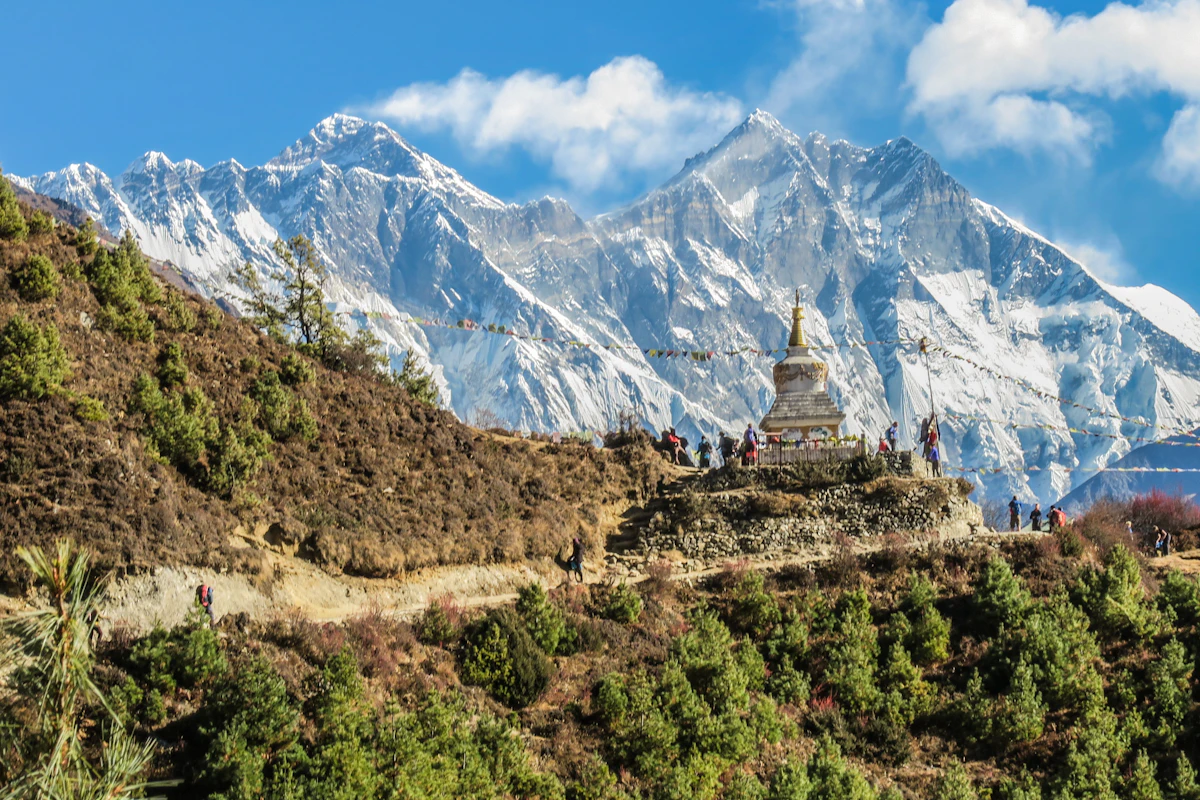
Pre-dawn climb up stone staircases to 3,210m for panoramic dawn views of Annapurna and Dhaulagiri massifs.
Gurung and Magar Stone Villages
Traverse traditional terraced hillsides connecting Ulleri, Ghorepani, and Ghandruk with slate-roofed lodges and wood stoves.
Modi River Valley Approach
Steep stone steps, forested rhododendron paths, and suspension bridges crossing glacial river gorges below 2,000m.
ACAP Permit Verification Checkpoints
Mandatory permit registration points at Birethanti and checkpoint posts along the Annapurna Conservation Area route.
Teahouse Logistical Realities
Basic twin-room lodges offering dal bhat, hot lemon, and bucket showers with variable electricity charges above 2,500m.
Nayapul Roadhead Connection
Local 4WD jeep or bus transit connecting Pokhara Lakeside with the trail starting point at Birethanti and Nayapul.
Gurung Cultural Museum
Traditional heritage stop in Ghandruk showcasing historical mountain settlement artifacts, weaving, and local architecture.
Forested Ridge Climbs
Sustained ascents through dense oak and rhododendron canopies, particularly on the stone staircase climb from Tirkhedhunga to Ulleri.
Trail Photos & Videos
High-definition captures and video clips from Himalayan passes, glacial lakes, Sherpa villages, and mountain summits.


Poon Hill Trek (Ghorepani-Poon Hill 10 Days) Trail Map
Interactive OpenStreetMap topographic trail map tracing the route.
Key High-Altitude Stops
Compatible with Garmin, Apple Watch, Strava & Gaia GPS
Poon Hill Trek (Ghorepani-Poon Hill 10 Days) Weather Center
Real-time mountain weather and 5-day altitude forecasts across key Poon Hill Trek (Ghorepani-Poon Hill 10 Days) waypoints.
Loading weather for ...
Choose waypoint
Altitude Chart & Acclimatization Nodes
Strict adherence to "Hike High, Sleep Low" ensures safe high-altitude adaptation.
Complete Itinerary Route
Explore the detailed day-by-day routing, acclimatization schedule, and trek milestones.
Arrival in Kathmandu (1,350m)
Land at Tribhuvan International Airport and transfer to Thamel. Afternoon free to sort gear — check boot fit, pack layers, and confirm ACAP permit paperwork. Evening briefing covers trail logistics, altitude awareness, and the mandatory guide rule for Annapurna Conservation Area.
Kathmandu to Pokhara (820m)
Early flight to Pokhara saves hours on the Prithvi Highway. If driving, expect traffic past Mugling and roadworks near Naudanda. Lakeside afternoon: final gear shop run for gas canisters, snacks, and a spare headlamp battery before the trek starts tomorrow.
Pokhara to Nayapul (1,070m) to Tikhedhunga (1,540m)
HighlightDrive to Nayapul via Birethanti checkpoint where ACAP permits are checked. Trail follows the Modi Khola through rice terraces and suspension bridges. Steady climb up stone stairs from Birethanti to Tikhedhunga — pace yourself on the first real ascent.
Tikhedhunga to Ghorepani (2,860m)
The infamous Ulleri stairs — 3,000+ stone steps through rhododendron forest. Banthanti and Nangethanti offer tea breaks. Final push to Ghorepani climbs through mossy oak. Arrive by mid-afternoon; book a room with a window facing Dhaulagiri for morning light.
Ghorepani to Poon Hill (3,210m) to Tadapani (2,630m)
HighlightPre-dawn start at 4:30 AM for Poon Hill sunrise — 45 min steep climb in darkness. Panorama spans Dhaulagiri, Annapurna South, Machhapuchhre, and Hiunchuli. Descend through rhododendron tunnel to Tadapani; watch for leeches in monsoon season.
Tadapani to Ghandruk (1,940m)
Steep descent through forest to Kimrong Khola, then climb stone lanes into Ghandruk — a Gurung village with slate-roofed houses. Visit the Gurung Cultural Museum and the old gompa. Afternoon free; try the local apple brandy if the season allows.
Ghandruk to Landruk (1,565m)
HighlightDescend to the Modi Khola via Kimrong, cross the suspension bridge, then climb steadily to Landruk. Trail passes through terraced fields and scattered hamlets. Landruk sits on a ridge with direct Annapurna South views — quieter than Ghandruk, better sunset angles.
Landruk to Pothana (1,900m) to Dhampus (1,650m) to Phedi (1,130m)
HighlightMorning climb through oak forest to Pothana ridge — last high viewpoint of the trek. Drop through Dhampus village, then steep descent on stone steps to Phedi. Driver meets you for the 45-minute return to Pokhara. Hot shower and momos in Lakeside.
Pokhara buffer day (820m)
AcclimatizationRest day or side trips: paragliding from Sarangkot, boat on Phewa Tal, World Peace Pagoda hike, or International Mountain Museum. Use it to dry gear, charge power banks, and sort photos before the long return to Kathmandu tomorrow.
Pokhara to Kathmandu (1,350m)
Morning flight back to Kathmandu — book the earliest slot to avoid afternoon clouds. If driving, leave by 7 AM to beat traffic. Final Thamel walk for souvenirs, then transfer to Tribhuvan for your outbound flight. Trek complete.
What's Covered & What's Not
A clear breakdown so you know exactly what to budget for and what's already taken care of.
Annapurna Conservation Area Permit (ACAP)
- Mandatory national park entry permit required for all trekkers entering the Annapurna region.
TIMS Card Registration
- Trekkers' Information Management System registration card managed by NTB.
Local Rural Municipality Fee
- Annapurna Rural Municipality entry fee collected at trail checkpoints.
Standard Trail Transport
- Local bus or shared jeep transfer from Pokhara to Nayapul trailhead.
International Airfare
- Flights from your home country to Tribhuvan International Airport in Kathmandu.
Nepal Entry Visa
- Tourist visa fee payable on arrival at Kathmandu airport ($30 for 15 days, $50 for 30 days).
Emergency Evacuation Insurance
- Mandatory rescue policy covering high-altitude mountain helicopter airlift.
On-Trail Personal Extras
- Hot shower fees, Wi-Fi access tokens, battery charging, and bottled drinks.
Trail Meals & Hydration Rules
What to eat for stamina and altitude safety
Dhal Bhat Power
Rice, lentil soup, spiced potato, and spinach. Always comes with free refills to refuel after 6 hours on trail.
Garlic Soup
Thin clear garlic broth. Local guides drink this daily above 3,500m to help with blood circulation and warmth.
Boiled & Fried Potatoes
Dense carbohydrate source served with local yak cheese or chili paste in high settlements.
Tibetan Bread & Honey
Deep-fried puffed flatbread. Hearty breakfast before an early morning climb.
Sherpa Stew (Shyakpa)
Thick vegetable and hand-pulled flour noodle soup served steaming hot.
Boiled Eggs
Safe, reliable protein source available every morning at lodge kitchens.
Boiled Water Bottles
Buy boiled water (Rs 150–300/liter) at night and keep the bottle inside your sleeping bag for warmth.
Ginger Lemon Honey Tea
Warm drink that cuts the dry mountain cough and stays hot in an insulated thermos.
Electrolyte Packs
Add one electrolyte sachet to 1L of water daily to replace salts lost on steep ascents.
Water Purification Drops
Use Aquatabs or chlorine dioxide tablets for tap water; wait full 30 minutes before drinking.
Vegetarian Focus
Vegetarian dhal bhat and veg noodles are always the freshest food on high trails.
Naturally Gluten-Free
Rice dishes, plain boiled potatoes, and buckwheat porridge are naturally gluten-free.
Black Chiya Option
Ask for 'Kalo Chiya' (black tea) to avoid powdered milk if you are lactose sensitive.
Lodge Kitchen Flexibility
Cooks can prepare food with less chili or no salt upon request if you ask before 5:00 PM.
No Meat Above 3,500m
Meat is carried up on foot for days without refrigeration. Stick to vegetarian meals high up.
No Alcohol at High Camp
Alcohol causes rapid dehydration and masks early symptoms of altitude sickness.
Never Drink Untreated Water
Never drink directly from village taps or streams without filtration or purification tablets.
Skip Raw Salads
Stick to thoroughly cooked hot vegetables to prevent stomach upsets.
Trip Preparation & Rules
Paperwork, flight baggage limits, and cash guidelines
Passport & Tourist Visa
Passport must remain valid for six months beyond arrival. Purchase a 30-day tourist visa at Tribhuvan International Airport using USD cash or major cards.
Mountain Rescue Insurance
Verify your policy covers emergency helicopter extraction and medical care up to 3,500 meters. Retain a digital copy and physical printout for lodge registration.
Passport Photos
Carry four physical passport photos for conservation area checkpoints and local SIM card registration in Kathmandu or Pokhara.
Annapurna Conservation Area Permit
The ACAP entry permit is mandatory for all trekkers entering the Annapurna region and must be checked at trailheads.
TIMS Card Requirement
Secure your Trekkers' Information Management System card through authorized agencies in Kathmandu or Pokhara prior to departure.
Local Rural Municipality Fee
Pay the regional local government fee at trailhead entry points to support community trail maintenance and waste management.
Domestic Baggage Restrictions
Flights between Kathmandu and Pokhara enforce a strict 15-kilogram total weight limit, split into 10 kg checked duffels and 5 kg carry-ons.
Carry-on Essentials
Keep cameras, lithium power banks, medications, and shell layers inside your daypack to comply with domestic aviation safety rules.
Weather Contingency Buffer
Build two extra buffer days into your travel schedule to absorb potential domestic flight delays caused by low visibility or monsoon storms.
Nepalese Rupee Cash Reserve
Carry sufficient physical rupees for all teahouse meals, hot showers, device charging, and Wi-Fi tokens along the trail.
ATM Availability Limitations
While Pokhara offers reliable banking services, trailside ATMs are entirely absent above Nayapul or frequently offline due to power outages.
Small Denomination Banknotes
Exchange large currency notes in Kathmandu or Pokhara. Teahouse owners cannot break 1,000-rupee notes for minor purchases.
Trail Customs & Rules
Practical rules for passing animals, stupas, and village paths
Pass Stupas Clockwise
- •Always keep Mani walls and chortens on your right side.
- •Spin prayer wheels clockwise.
- •Never sit or place gear on inscribed prayer stones.
Mule Train Right-of-Way
- •Step toward the mountain wall side when pack animals pass.
- •Never stand on the outer cliff edge.
- •Give caravans room and wait for the dust to clear.
Photography Rules
- •Ask permission before photographing residents or monks.
- •Avoid flash photography inside monastery prayer halls.
- •Drop a small cash contribution in monastery donation boxes.
Waste & Water Ethics
- •Pack out all plastic wrappers and non-biodegradable trash.
- •Never burn plastic or throw batteries in lodge stoves.
- •Use purification drops instead of buying bottled water.
Village & Lodging Manners
- •Remove boots before entering teahouse dining rooms and sleeping quarters.
- •Keep voice levels low in shared lodge areas after 9:00 PM.
- •Support your lodge by eating breakfast and dinner where you sleep.
Cultural Respect
- •Dress modestly in Gurung and Magar villages, covering shoulders and knees.
- •Remove hats and sunglasses inside sacred spaces.
- •Greet locals with a clear Namaste and palms pressed together.
Permits & Emergency Directory
Current permit fee structures and official emergency contacts for the Annapurna region
Required Permits & Mandatory Fees
-
📜Annapurna Conservation Area Permit (ACAP) NPR 3,000
Mandatory entry permit for all foreign trekkers entering the Annapurna Conservation Area, obtainable at the Nepal Tourism Board in Kathmandu or Pokhara.
-
📜Trekkers' Information Management System (TIMS) Card NPR 2,000
Required registration card for tracking and safety purposes on authorized trekking routes, issued through registered agencies or NTB offices.
-
📜Annapurna Rural Municipality Entry Fee NPR 3,000
Local government development fee collected at trail checkpoints within the Annapurna Rural Municipality jurisdiction.
Nepal Tourism Directory
Official contact channels for permits, park regulations, and emergency rescue assistance.
Power, Connectivity & Showers
Realistic day-to-day guide for charging, phones, and hygiene
Device Charging
Teahouses charge between NPR 300 to 600 per hour to plug devices directly into the dining room grid. Bring a high-capacity power bank and charge it at lower elevations where hydro power is stable.
Mobile Connectivity
NTC and Ncell networks provide reliable 4G coverage up to Ghorepani. Signal drops out in heavily forested gorges and shadowed valleys along the Modi Khola approach.
Wi-Fi Access
AirLink and Everest Link prepaid Wi-Fi cards work at most lodges along the ridge. Speeds slow down significantly during evening peak hours when dozens of trekkers share the same satellite router.
Hot Showers
Gas-heated or solar showers cost between NPR 400 and 500 per use. Water pressure drops in upper lodges, and stepping out of a hot stall into unheated mountain air increases chill risk.
Drinking Water
Avoid single-use plastic bottles. Carry two wide-mouth Nalgene bottles and treat tap water with chlorine dioxide tablets or iodine drops to keep daily costs minimal.
Altitude Safety & Health
How to handle altitude symptoms and emergency protocols on the Poon Hill route
Symptom Awareness
Watch closely for early acute mountain sickness signs: a throbbing headache that two ibuprofen don't touch, loss of appetite, nausea, and persistent insomnia.
Hydration Tactics
Count hot lemon, black tea, and garlic soup toward daily hydration goals alongside treated water. Dehydration arrives silently in dry air.
Evacuation Insurance
Ensure travel insurance explicitly covers emergency helicopter rescue up to 4,000 meters, as road access is limited above Nayapul.
Immediate Descent Protocol
Dropping 300 to 500 meters reverses worsening altitude symptoms fast and saves lives when climbing toward higher viewpoints.
The Golden Altitude Rule
If a throbbing headache, nausea, or dizziness appears, do not ascend further. If symptoms persist after resting, descend immediately. Descending is the only reliable cure for acute mountain sickness.
Highland Villages & Wildlife
Indigenous communities and wildlife along the trail
Gurung and Magar Heritage
Stone-built villages along the ridgelines inhabited predominantly by Gurung and Magar communities, with traditional slate-roofed homes and terraced farming plots.
Traditional Hearth Architecture
Teahouses featuring central open-hearth kitchens that serve as the social and heating core of the lodge during cold mountain evenings.
Hillside Terrace Farming
Intricately sculpted agricultural terraces carved into steep valley slopes, growing corn, millet, and winter wheat through traditional animal-powered ploughing.
Ridge Prayer Flags
Strings of multi-colored Buddhist prayer flags draped across wind-swept pass junctions and ridge viewpoints to spread blessings through mountain breezes.
Carved Mani Stones
Low stone walls and individual boulders inscribed with Tibetan Buddhist mantras positioned near village entry points.
Sacred Mountain Massifs
Snow-capped peaks such as Annapurna South and Machhapuchhre treated as sacred abodes of regional deities by highland inhabitants.
Rhododendron Forests
Expansive sub-alpine woodlands dominated by giant rhododendron trees that erupt in red and pink blooms during the spring climbing season.
Highland Raptors
Himalayan griffons and lammergeiers thermalling on morning updrafts above deep river gorges and forested ridgelines.
Forest Fauna
Resident barking deer, langur monkeys, and various pheasant species inhabiting the lower temperate forest corridors below Ghorepani.
Essential Packing Checklist
Prepare 1 duffel bag (handled by porter team) and 1 daypack for personal warm layers & water.
Frequently Asked Questions
Direct answers on permits, logistics, and trail realities