

Everest Luxury Lodge Trek 14 Days Guide
Trail notes for Everest Luxury Lodge Trek. Daily walking hours, pass elevations, teahouse stops, and permit logistics.
Everest Luxury Lodge Trek
14-day route along the Everest luxury lodge trail. Daily climbs range from 400m to 900m on rock and stone stairs. Cold nights above 3,500m.
Key Trail Realities
What to expect along the route
Luxury Lodge Infrastructure
Stay in private rooms featuring attached bathrooms, electric blankets, hot showers, and heated dining rooms throughout the Khumbu valley.
Early Morning Peak Views
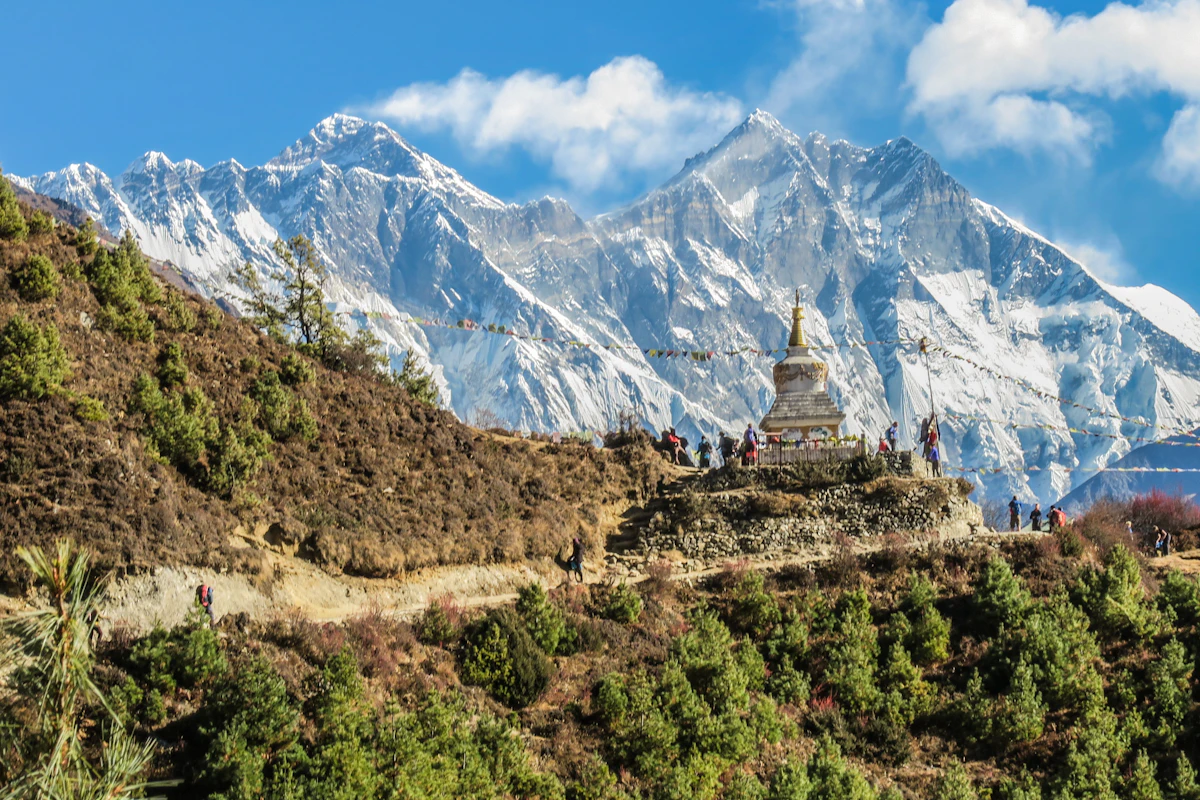
Clear 6:00 AM views of Everest, Lhotse, and Ama Dablam from lodge balconies before cloud cover develops by midday.
Mountain Flight Logistics
Fixed-wing flights from Manthali Airport or direct helicopter charters connecting Kathmandu to Lukla airstrip.
Sherpa Heritage & Monasteries
Visit historic gompas, mani walls, and stone-built mountain villages without sacrificing comfortable lodging standards.
High Alpine Acclimatization
Built-in rest days at Namche Bazaar and Dingboche following a gradual ascent profile designed for safe red blood cell adaptation.
Suspension Bridge Crossings
Cross deep river gorges on high steel suspension bridges strung with fluttering Tibetan prayer flags.
High-Altitude Panorama Points
Reach high viewpoints above 5,000 meters offering sweeping vistas of glaciated Himalayan walls and surrounding peaks.
Dining Room Realities
Order warm meals from extensive teahouse menus featuring garlic soup, dhal bhat, and bakery items while charging devices at communal tables.
Trail Photos & Videos
High-definition captures and video clips from Himalayan passes, glacial lakes, Sherpa villages, and mountain summits.


Everest Luxury Lodge Trek Trail Map
Interactive OpenStreetMap topographic trail map tracing the route.
Key High-Altitude Stops
Compatible with Garmin, Apple Watch, Strava & Gaia GPS
Everest Luxury Lodge Trek Weather Center
Real-time mountain weather and 5-day altitude forecasts across key Everest Luxury Lodge Trek waypoints.
Loading weather for ...
Choose waypoint
Altitude Chart & Acclimatization Nodes
Strict adherence to "Hike High, Sleep Low" ensures safe high-altitude adaptation.
Complete Itinerary Route
Explore the detailed day-by-day routing, acclimatization schedule, and trek milestones.
Arrival in Kathmandu
Settle into the capital and sort your gear for the upcoming trek. The dusty, bustling streets provide a stark contrast to the quiet mountain trails ahead. Use this afternoon to double-check warm layers and purchase any forgotten trekking snacks. Drink only treated water and rest well before tomorrow's transit.
Kathmandu to Phakding
HighlightCatch the early flight to the mountain airstrip and begin walking immediately on descending stone steps. The path hugs the Dudh Koshi riverbank through pine forests filled with suspension bridges. Expect initial breathlessness as your lungs adjust to the altitude and valley humidity.
Phakding to Namche Bazaar
HighlightTrek past pine woods to the high suspension bridge over the Bhote Koshi river. A steep, relentless uphill climb follows, where you will feel the thinner air slowing your pace. Watch for mule trains hauling heavy cargo up the dusty switchbacks toward the trading hub.
Namche Bazaar Acclimatization
AcclimatizationClimb steeply up to the national park headquarters for your first clear views of high peaks. The wind picks up significantly by midday, making a windproof jacket essential during the short ridge walk. Rest in the afternoon to let your body adjust to the rising altitude.
Namche Bazaar to Tengboche
HighlightDescend first through rhododendron forests before crossing the rushing river on a sturdy bridge. The following uphill grind to the famous monastery tests your stamina on uneven stone stairs. Nights here grow notably colder, so fill your Nalgene with boiling water before sleeping.
Tengboche to Dingboche
Walk past scattered birch groves and ancient mani stones as the valley walls widen significantly. Treeline disappears behind you, replaced by dry, windswept scrub and towering stone walls protecting barley fields. Stay hydrated carefully as the dry mountain air accelerates dehydration at this elevation.
Dingboche Acclimatization
AcclimatizationHike up the nearby ridge toward the chortens for vital high-altitude adaptation. Strong afternoon gusts sweep across the open valley, requiring hats and gloves even when the sun shines brightly. Spend the afternoon resting in the unheated dining room over hot ginger tea.
Dingboche to Lobuche
Trek across a desolate glacial moraine past the sobering stone memorials of fallen climbers. The terrain turns rocky and uneven, demanding careful footing with every step you take. Temperatures drop below freezing well before sunset, so keep your camera batteries tucked inside your warm jacket.
Lobuche to Gorak Shep and Gorak Shep
HighlightNavigate narrow, rocky trails winding directly beside the crumbling lateral moraine of the massive glacier. Breathing feels noticeably heavier in the thin air, forcing a slow and deliberate pace. The lodge rooms are unheated and notoriously cold at night, requiring heavy down sleeping bags.
Gorak Shep to Pheriche
Retrace your steps down the rocky trail, descending rapidly into thicker and more comfortable air. The downhill pounding on your knees requires trekking poles for stability on loose gravel sections. You will feel a sudden surge of physical energy as the oxygen levels improve.
Pheriche to Namche Bazaar
Enjoy a long, continuous descent through familiar alpine scrublands and scattered pine forests. The trail remains dusty in dry weather, so a buff over your nose helps block kicked-up dirt. Celebrate your return to Namche Bazaar with a warm shower and fresh bakery items.
Namche Bazaar to Phakding
HighlightDescend the steep stone stairs off the mountain ridge with care to protect your tired joints. The air grows noticeably warmer and thicker as you drop back below the major alpine zone. Pass familiar suspension bridges swinging gently over the roaring glacial river below.
Phakding to Lukla
Complete your final stretch of walking on undulating dirt paths and stone steps. The last uphill push into the mountain airstrip tests your tired legs one final time. Spend the evening tipping your local porters and sharing stories with fellow independent trekkers.
Lukla to Kathmandu
Board the early morning flight back to the capital, dependent entirely on clear mountain weather windows. Upon landing in Kathmandu, transfer back to your hotel for a long-awaited hot shower and a celebratory dinner. Reflect on two weeks of hard trekking across high mountain terrain.
What's Covered & What's Not
A clear breakdown so you know exactly what to budget for and what's already taken care of.
Required Trail Permits
- Sagarmatha National Park entry permit and Khumbu Pasang Lhamu Rural Municipality local fee.
Local Transport
- Domestic flights between Ramechhap Manthali Airport and Lukla, plus necessary ground transfers.
Lodge Accommodation
- Standard twin-share teahouse lodging throughout the high valleys of the Khumbu region.
Licensed Guide / Porter
- Government-certified guide and porter services compliant with Nepal Tourism Board regulations.
International Flights
- Airfare from your home country into Tribhuvan International Airport in Kathmandu.
Nepal Tourist Visa
- On-arrival visa fees issued by the Department of Immigration at Kathmandu airport.
Emergency Evacuation Insurance
- Mandatory alpine travel insurance covering high-altitude helicopter rescue up to 6,000 meters.
On-Trail Incidentals
- Hot water showers, battery charging fees, Wi-Fi cards, and personal tips for mountain staff.
Trail Meals & Hydration Rules
What to eat for stamina and altitude safety
Dhal Bhat Power
Rice, lentil soup, spiced potato, and spinach. Always comes with free refills to refuel after 6 hours on trail.
Garlic Soup
Thin clear garlic broth. Local guides drink this daily above 3,500m to help with blood circulation and warmth.
Boiled & Fried Potatoes
Dense carbohydrate source served with local yak cheese or chili paste in high settlements.
Tibetan Bread & Honey
Deep-fried puffed flatbread. Hearty breakfast before an early morning climb.
Sherpa Stew (Shyakpa)
Thick vegetable and hand-pulled flour noodle soup served steaming hot.
Boiled Eggs
Safe, reliable protein source available every morning at lodge kitchens.
Boiled Water Bottles
Buy boiled water at night and keep the bottle inside your sleeping bag for warmth.
Ginger Lemon Honey Tea
Warm drink that cuts the dry mountain cough and stays hot in an insulated thermos.
Electrolyte Packs
Add one electrolyte sachet to 1L of water daily to replace salts lost on steep ascents.
Water Purification Drops
Use Aquatabs or chlorine dioxide tablets for tap water; wait full 30 minutes before drinking.
Vegetarian Focus
Vegetarian dhal bhat and veg noodles are always the freshest food on high trails.
Naturally Gluten-Free
Rice dishes, plain boiled potatoes, and buckwheat porridge are naturally gluten-free.
Black Chiya Option
Ask for 'Kalo Chiya' (black tea) to avoid powdered milk if you are lactose sensitive.
Lodge Kitchen Flexibility
Cooks can prepare food with less chili or no salt upon request if you ask before 5:00 PM.
No Meat Above 3,500m
Meat is carried up on foot for days without refrigeration. Stick to vegetarian meals high up.
No Alcohol at High Camp
Alcohol causes rapid dehydration and masks early symptoms of altitude sickness.
Never Drink Untreated Water
Never drink directly from village taps or streams without filtration or purification tablets.
Skip Raw Salads
Stick to thoroughly cooked hot vegetables to prevent stomach upsets.
Trip Preparation & Rules
Paperwork, flight baggage limits, and cash guidelines
Passport & Tourist Visa
Passport must remain valid for at least six months beyond your arrival date. Obtain a 30-day tourist visa ($50 USD cash) on arrival at Tribhuvan International Airport.
High-Altitude Rescue Insurance
Verify your insurance policy explicitly covers emergency helicopter evacuation and medical treatment up to 6,000 meters without exclusion clauses.
Passport Photographs
Carry four physical passport-sized photos for local permit registration points and regional checkpoint paperwork.
Sagarmatha National Park Permit
Required national park entry permit checked at Monjo entry checkpoint. Issued in Kathmandu or at the park gate.
Khumbu Pasang Lhamu Municipality Fee
Local rural municipality entrance fee payable directly upon arrival in the Khumbu region.
Authorized Guide Documentation
Carry copies of your licensed guide's credential documents as required by current Nepal Tourism Board regulations.
Strict Luggage Limits
Domestic mountain flights enforce a strict 15kg total allowance: 10kg checked duffel bag plus 5kg hand luggage.
Excess Baggage Fees
Gear exceeding 15kg incurs per-kilogram airline surcharges, subject to aircraft weight safety limits and weather conditions.
Flight Weather Contingency
Build two extra buffer days into your travel schedule to absorb sudden flight delays caused by low visibility or wind at Lukla or Manthali.
Daily Cash Requirement
Budget approximately 4,000 to 5,000 Nepalese Rupees per day for hot showers, Wi-Fi tokens, battery charging, and extra snacks.
ATM Unreliability
ATMs in Namche Bazaar are frequently out of service or offline. Withdraw sufficient cash in Kathmandu before starting the trek.
Small Denominations
Carry paper notes in smaller denominations (100, 500, and 1,000 NPR notes). High-altitude teahouses cannot easily change large bills.
Trail Customs & Rules
Practical rules for passing animals, stupas, and village paths
Pass Stupas Clockwise
- •Always keep Mani walls, chortens, and prayer wheels on your right.
- •Walk around mani stone piles in a clockwise circle.
- •Never sit or place gear on carved prayer stones.
Pack Animal Right-of-Way
- •Step toward the mountain wall when yaks, mules, or dzopkyos approach.
- •Stay well away from the valley drop-off edge.
- •Wait until the entire pack train passes before moving.
Monastery & Portrait Etiquette
- •Ask permission before photographing locals, monks, or prayer ceremonies.
- •Keep cameras and phones packed away inside inner sanctums.
- •Leave a small cash donation in the box when touring active gompas.
Waste Management
- •Carry empty wrappers and battery waste back out to Namche or Kathmandu.
- •Avoid single-use plastic bottles by using refillable flasks with purification tablets.
- •Pack out all non-biodegradable items from teahouses.
Local Interactions
- •Greet villagers and passing hikers with a respectful 'Namaste' with palms pressed together.
- •Dress modestly inside settlements by covering shoulders and knees.
- •Remove boots before entering teahouse dining rooms or sleeping quarters.
Mountain Quiet
- •Keep volume low in shared teahouse dining spaces during early morning and late evening hours.
- •Respect quiet zones around monasteries and sacred cremation sites near rivers.
- •Use headphones rather than playing music aloud on trails or in lodges.
Permits & Emergency Directory
Current permit fee structures and official emergency contacts
Required Permits & Mandatory Fees
-
📜Sagarmatha National Park Entry Permit NPR 3,000
Required for all visitors entering the Khumbu region. Payable at the Nepal Tourism Board office in Kathmandu or at the Monjo checkpoint.
-
📜Khumbu Pasang Lhamu Rural Municipality Fee NPR 3,000
Local government fee implemented across all Khumbu trekking routes. Collected directly in Monjo or Lukla. Replaces the older TIMS card in this region.
-
☘️Mandatory Guide Regulation NPR 0 (Compliance Cost)
The Nepal Tourism Board requires foreign trekkers in national parks and conservation areas to be accompanied by a licensed local guide.
Nepal Tourism Directory
Official contact channels for permits, park regulations, and emergency rescue assistance.
Power, Connectivity & Showers
Realistic day-to-day guide for charging, phones, and hygiene
Device Charging
Lodge rooms do not have free outlets. Common dining hall charging costs Rs 300 to 600 per full charge, payable in cash. Bring a high-capacity power bank and keep it inside your sleeping bag at night so the lithium battery does not drain in sub-zero temperatures.
Mobile SIM & Wi-Fi
Nepal Telecom and Ncell operate with varying signal strength along the lower valleys. Above Namche, cellular data drops off entirely in deep gorges. Paid satellite Wi-Fi cards are available at luxury lodges, though speeds fluctuate based on weather and cloud cover.
Hot Showers
Gas or solar-heated showers cost between Rs 400 and 700 per use. Above 4,000m, hot water runs scarce and ambient temperatures drop fast. Pack biodegradable wet wipes and hand sanitizer for daily hygiene instead of risking cold-weather dampness.
Drinking Water
Single-use plastic bottles are banned in several municipal sectors to control trail waste. Carry two wide-mouth water bottles and treat natural water sources with chlorine dioxide tablets or purification drops. Boiling water at lodges costs Rs 100 to 300 per liter.
Altitude Safety & Health
How to handle altitude symptoms and emergency protocols
Daily Symptom Monitoring
Watch closely for early acute mountain sickness signs: a throbbing headache unresponsive to standard ibuprofen, persistent loss of appetite, nausea, dizziness, and insomnia.
Field Hydration Strategy
Count hot lemon, black tea, and garlic soup toward your daily 3 to 4 liters of fluid intake to combat dry mountain air.
Mandatory Evacuation Insurance
Ensure your insurance policy explicitly covers emergency helicopter rescue up to 6,000 meters before starting the route.
Critical Warning Signs
Recognize severe indicators like dark urine, stumbling like a drunk due to ataxia, and a bubbling lung cough.
The Golden Altitude Rule
Dropping 500 to 1,000 meters reverses symptoms fast and saves lives. If symptoms worsen or ataxia appears, descend immediately rather than waiting for morning.
Highland Villages & Wildlife
Indigenous communities and wildlife along the trail
Sherpa Settlement Architecture
Multi-story stone and timber homes built to withstand high-altitude wind and heavy winter snowfall.
Traditional Hearth & Hospitality
Stone lodges heated by central yak-dung or wood stoves where travellers gather to dry gear and rest.
Traditional Wool Weaving
Local households spinning durable sheep and yak wool into blankets, rugs, and winter clothing.
High-Altitude Monasteries
Centuries-old Buddhist gompas housing sacred murals, prayer wheels, and community gathering spaces.
Mani Walls and Chortens
Stone prayer walls and whitewashed stupas lining paths near village entries and valley junctions.
Sacred Peak Sanctuaries
Himalayan summits revered by local communities as sacred abodes of protective deities and mountain spirits.
Highland Fauna
Himalayan tahr, musk deer, and elusive snow leopards navigating steep alpine cliffs and rocky ridges.
Rhododendron Forests
Dense lower valley forests bursting with crimson, pink, and white flower blooms during spring months.
Alpine Raptors
Lammergeiers and golden eagles riding thermal updrafts above high glacial valleys and mountain passes.
Essential Packing Checklist
Prepare 1 duffel bag (handled by porter team) and 1 daypack for personal warm layers & water.
Frequently Asked Questions
Honest answers about the Everest Luxury Lodge Trek route