
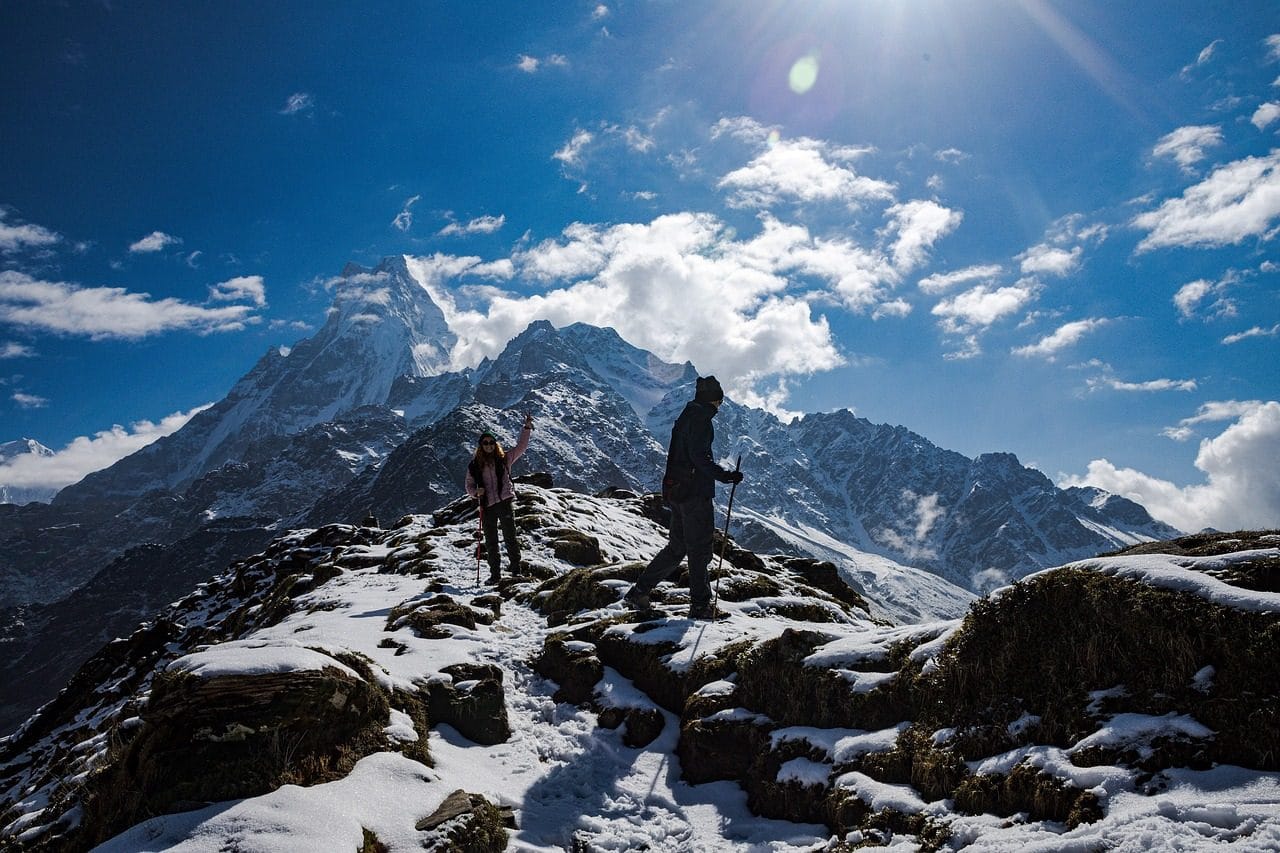
Ganesh Himal Trek – Singla Pass Circuit (12–14 Days) 14 Days Guide
Trail notes for Ganesh Himal Trek - Singla Pass Circuit (12–14 Days). Daily walking hours, pass elevations, teahouse stops, and permit logistics.
Ganesh Himal Trek - Singla Pass Circuit
14-day route along the Ganesh Himal Trek - Singla Pass Circuit. Daily climbs range from 400m to 900m on rock and stone stairs with cold nights above 3,500m.
Key Trail Realities
What to expect along the route
Early Morning Peak Views
Clear 6:00 AM views of the major Himalayan ridge before clouds build by midday.
High Pass Crossing
Climbing over high passes above 4,000m with rocky switchbacks and prayer flags.
Mountain Transport Logistics
Four-wheel-drive jeep departures connecting Kathmandu with remote mountain trailheads on unpaved roads.
Highland Ethnic Settlements
Pass through stone-walled mountain villages featuring wood-fired dining room stoves and traditional farming terraces.
Glacial Valley Trails
Walk along river corridors and cross suspension bridges over rushing mountain streams.
High Alpine Ridges
Reach high-altitude viewpoints set above timberline beneath steep rocky peaks and forested ridges.
Teahouse Infrastructure
Stay in basic family-run lodges offering shared dining rooms and simple twin-berth rooms.
Acclimatization Points
Gradual ascent profile incorporating strategic rest stops to reduce altitude sickness risks.
Trail Photos & Videos
High-definition captures and video clips from Himalayan passes, glacial lakes, Sherpa villages, and mountain summits.
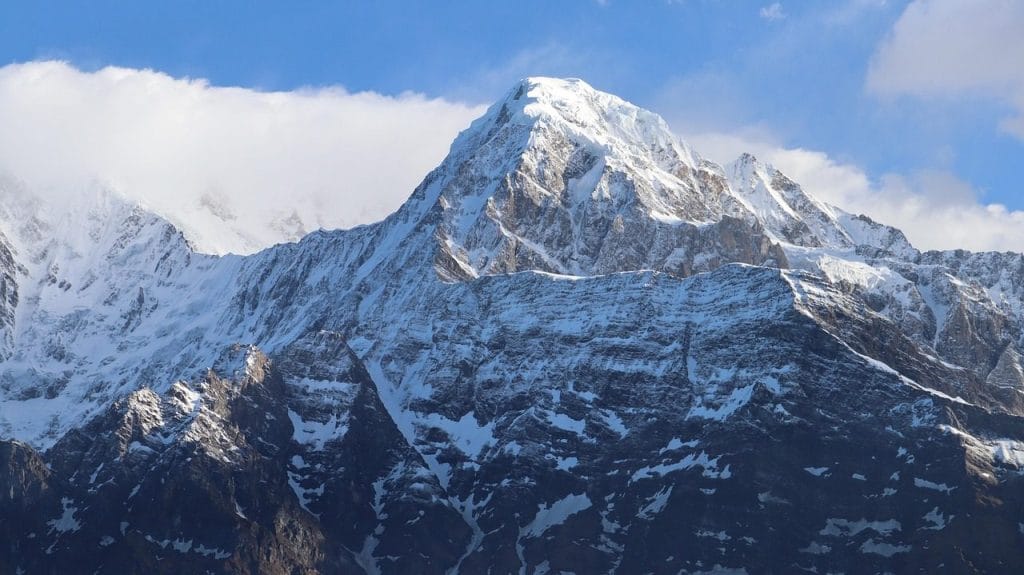

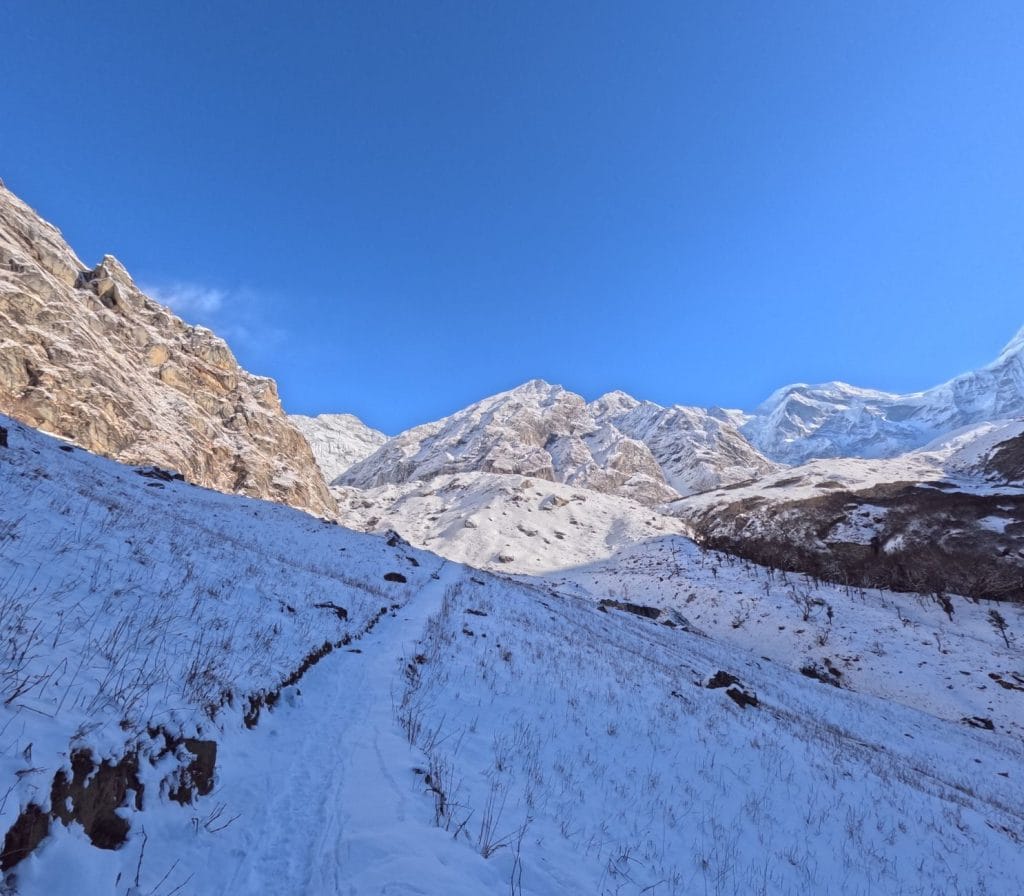


Ganesh Himal Trek – Singla Pass Circuit (12–14 Days) Trail Map
Interactive OpenStreetMap topographic trail map tracing the route.
Key High-Altitude Stops
Compatible with Garmin, Apple Watch, Strava & Gaia GPS
Ganesh Himal Trek – Singla Pass Circuit (12–14 Days) Weather Center
Real-time mountain weather and 5-day altitude forecasts across key Ganesh Himal Trek – Singla Pass Circuit (12–14 Days) waypoints.
Loading weather for ...
Choose waypoint
Altitude Chart & Acclimatization Nodes
Strict adherence to "Hike High, Sleep Low" ensures safe high-altitude adaptation.
Complete Itinerary Route
Explore the detailed day-by-day routing, acclimatization schedule, and trek milestones.
Kathmandu to Sotikhola or Alternative Trailhead
You leave Kathmandu by local transport on winding dirt roads heading toward the Ganesh Himal foothills. The drive involves bumpy terrain and traffic delays before reaching the lower valley settlements. Dust and engine noise dominate the journey, so keep a scarf handy. Settle into a simple roadside lodge for the night.
Trailhead to Lhakra
HighlightThe track climbs steadily away from the river valley through terraced fields and scrubby forest. Humidity is high, and the steep stone staircases test your legs right away. You pass small farming hamlets where locals dry corn in the sun. Nights at this altitude remain mild, but rooms feature sparse wooden beds.
Lhakra to Sertung
HighlightToday brings a long, demanding ascent through dense pine forests and rocky ridges. The trail turns muddy and slick if morning mist clings to the hillsides. Sertung is a traditional Tamang village with stone houses and narrow alleys. Drink plenty of boiled water here to stave off early dehydration from the continuous climbing effort.
Sertung to Tipling
HighlightA shorter walking day allows your muscles to recover while crossing deep suspension bridges over roaring torrents. The path hugs steep hillsides with exposed drops, requiring steady footing. Tipling sits below dramatic rock faces and offers local dal bhat for lunch. The wind picks up in the afternoon, bringing a sharp drop in temperature.
Tipling to Pangsang Pass Base
HighlightThe trail climbs continuously through rhododendron thickets and damp alpine forest. Oxygen levels drop noticeably, making every upward step feel heavier on your lungs. The lodge at the base is basic, relying on solar power and wood stoves. Pack extra layers because evening temperatures plummet below freezing without central heating.
Pangsang Pass Base to Pangsang Pass and Descend
HighlightAn early morning push brings you up to the windy expanse of Pangsang Pass. Strong gales sweep across the ridge, so windproof shells are essential. Ganesh Himal peaks tower close by under clear morning skies. The descent is steep and loose on gravelly soil, putting heavy pressure on your knees.
Ridge Camp to Chalish Gaon
HighlightThe route contours along verdant hillsides past cascading waterfalls and grazing pastures. Muddy patches require careful footing under a thick forest canopy. Chalish Gaon welcomes you with traditional hospitality and warm local millet tea. Rest your legs early tonight as the following days require sustained endurance.
Chalish Gaon to Hindung
You trek deeper into remote valleys along narrow paths carved into sheer cliff sides. The terrain is rugged, featuring exposed roots and uneven stone steps. Hindung is a quiet Sherpa and Tamang settlement far from main tourist tracks. Nighttime brings biting cold, so fill your Nalgene with hot water for sleeping.
Hindung to Ganesh Himal Base Camp Area
HighlightThis is a demanding wilderness push above the tree line into stark moraine terrain. Thin air makes every breath labored, requiring a slow and deliberate pace. Wind sweeps across the open valley unchecked, demanding full winter gear. Pitch tents on flat gravel spots sheltered by large boulders against evening gusts.
Base Camp Exploration to Sertung Return Track
HighlightAfter exploring the high glacial basins, you retrace your steps down the rugged valley. The descent relieves lung strain but tests tired toe joints on steep loose rock. Water sources on this stretch can be silty, so treat all refills carefully. Reach lower elevations by late afternoon as valley shadows lengthen.
Sertung to Darkha Gaon
The trail drops sharply through terraced farmlands and subtropical scrub vegetation. Humidity rises steadily, and insects become noticeable along the lower river paths. Darkha Gaon provides a lively village atmosphere with local shops to buy snacks. Evening meals consist of hearty portions of lentil soup and rice.
Darkha Gaon to Kintang Phedi
HighlightA long downhill march leads you toward the valley floor alongside rushing river currents. The dusty trail mixes with occasional motor vehicle tracks under construction. Temperatures feel hot and humid compared to the high mountain passes. Celebrate the final trekking night with your guide over local fare.
Kintang Phedi to Dhading Besi
A short morning walk brings you to road-heads where local transport awaits. The walking portion of the circuit officially concludes amidst bustling roadside commerce. Dust and vehicle fumes signal your return to lower-altitude civilization. Enjoy a proper hot shower and comfortable bed in town.
Dhading Besi to Kathmandu
HighlightThe return drive to Kathmandu follows winding highway corridors prone to heavy traffic jams. Dusty windows frame passing hills as you re-enter the chaotic capital valley. Arrive by mid-afternoon to sort your gear and settle back into city life. The trek concludes here with lasting memories of remote ridges.
What's Covered & What's Not
A clear breakdown so you know exactly what to budget for and what's already taken care of.
Required Trail Permits
- Langtang National Park entry permit and local rural municipality registration cards.
Local Transport
- Shared jeep or local bus transport from Kathmandu to the Ganesh Himal trailhead.
Teahouse Accommodation
- Basic twin-share lodge room along the route (Rs 500–1,000 per night when purchasing meals).
Licensed Guide / Porter
- Required government-certified guide (Rs 2,500–4,000/day) or porter (Rs 2,000–2,800/day).
International Flights
- Airfare from your home country into Tribhuvan International Airport.
Nepal Tourist Visa
- On-arrival tourist visa fee ($30 USD for 15 days, $50 USD for 30 days).
Helicopter Rescue Insurance
- Travel policy covering emergency helicopter airlift up to 6,000m or higher.
Trail Incidentals
- Hot showers (Rs 400–600), device charging (Rs 300–500), and bottled or filtered drinking water.
Trail Meals & Hydration Rules
What to eat for stamina and altitude safety
Dhal Bhat Power
Rice, lentil soup, spiced potato, and spinach. Always comes with free refills to refuel after 6 hours on trail.
Garlic Soup
Thin clear garlic broth. Local guides drink this daily above 3,500m to help with blood circulation and warmth.
Boiled & Fried Potatoes
Dense carbohydrate source served with local yak cheese or chili paste in high settlements.
Tibetan Bread & Honey
Deep-fried puffed flatbread. Hearty breakfast before an early morning climb.
Sherpa Stew (Shyakpa)
Thick vegetable and hand-pulled flour noodle soup served steaming hot.
Boiled Eggs
Safe, reliable protein source available every morning at lodge kitchens.
Boiled Water Bottles
Buy boiled water (Rs 150–300/liter) at night and keep the bottle inside your sleeping bag for warmth.
Ginger Lemon Honey Tea
Warm drink that cuts the dry mountain cough and stays hot in an insulated thermos.
Electrolyte Packs
Add one electrolyte sachet to 1L of water daily to replace salts lost on steep ascents.
Water Purification Drops
Use Aquatabs or chlorine dioxide tablets for tap water; wait full 30 minutes before drinking.
Vegetarian Focus
Vegetarian dhal bhat and veg noodles are always the freshest food on high trails.
Naturally Gluten-Free
Rice dishes, plain boiled potatoes, and buckwheat porridge are naturally gluten-free.
Black Chiya Option
Ask for 'Kalo Chiya' (black tea) to avoid powdered milk if you are lactose sensitive.
Lodge Kitchen Flexibility
Cooks can prepare food with less chili or no salt upon request if you ask before 5:00 PM.
No Meat Above 3,500m
Meat is carried up on foot for days without refrigeration. Stick to vegetarian meals high up.
No Alcohol at High Camp
Alcohol causes rapid dehydration and masks early symptoms of altitude sickness.
Never Drink Untreated Water
Never drink directly from village taps or streams without filtration or purification tablets.
Skip Raw Salads
Stick to thoroughly cooked hot vegetables to prevent stomach upsets.
Trip Preparation & Rules
Paperwork, mountain weight limits, and cash budgeting for the Ganesh Himal route
Passport & Visa
Ensure your passport is valid for at least six months beyond your arrival date. On-arrival visas are available at Kathmandu airport for $50 USD, payable in cash.
Emergency Evacuation Policy
Verify your travel insurance policy covers emergency helicopter rescue up to 5,000 meters. Keep paper copies of the policy number and emergency contact details in your daypack.
Passport Photos
Carry four passport-sized photographs for trekking permits, conservation area registration desks, and local SIM card activation.
Conservation Area Entry
Obtain the required conservation area permits and rural municipality entry documents prior to departure from Kathmandu.
TIMS Card
Secure a valid Trekkers' Information Management System card through registered trekking agencies or the Nepal Tourism Board office.
Mandatory Guide Registration
Comply with the Nepal Tourism Board regulation requiring all foreign independent trekkers to hire a licensed local guide for mountain trail entry.
Baggage Allowance
When taking regional mountain transport or domestic hops, checked duffels are strictly limited to 10kg with a 5kg carry-on allowance.
Compact Packing
Pack gear inside a sturdy soft duffel bag rather than a rigid suitcase to fit easily into local transport and vehicle roofs.
Excess Weight Fees
Overweight gear incurs heavy surcharges at departure check-ins. Weigh your kit before leaving your hotel in Kathmandu.
Daily Cash Reserve
Carry sufficient Nepalese Rupees for meals, hot showers, device charging, and teahouse lodging beyond major towns.
Limited ATM Access
Do not rely on card payments or rural ATMs along remote trails. Withdraw adequate cash in Kathmandu before starting the trek.
Small Denominations
Keep bills in smaller denominations (Rs 100, 500) because teahouse owners struggle to provide change for larger Rs 1,000 notes.
Trail Customs & Rules
Practical rules for passing animals, stupas, and village paths
Pass Stupas Clockwise
- •Always keep Mani stones and chortens on your right side.
- •Spin prayer wheels clockwise.
- •Never sit on inscribed prayer stones.
Pack Animal Right-of-Way
- •Stand on the mountain wall side when yaks or mules pass.
- •Never stand near the cliff edge.
- •Give the caravan space and wait for dust to settle.
Photo Etiquette
- •Ask before taking photos of local villagers or monks.
- •Do not use flash inside monastery prayer rooms.
- •Drop Rs 100–200 in the donation box if visiting monasteries.
Trash & Water Ethics
- •Pack all plastic snack wrappers back to Kathmandu.
- •Never throw batteries or wet wipes in pit toilets.
- •Use purification tablets instead of buying single-use plastic bottles.
Village Greetings
- •Greet locals with a clear Namaste and palms pressed together.
- •Remove footwear before entering homes or temples.
- •Dress modestly with covered shoulders and knees.
Fuel & Fire Protection
- •Respect local bans on open campfires near forest areas.
- •Use lodge stoves sparingly in high-altitude settlements.
- •Minimize wood usage to protect fragile timber resources.
Permits & Emergency Directory
Current permit fee structures and official emergency contacts for the Ganesh Himal and Singla Pass region
Required Permits & Mandatory Fees
-
📜Langtang National Park Entry Permit NPR 3,000
Required for entering the protected area covering the southern approaches of the Ganesh Himal range. Available at the Nepal Tourism Board in Kathmandu or at Dhunche checkpoint.
-
📜Local Rural Municipality Fee NPR 2,000
Collected by local administrative bodies along the Singla Pass trekking corridor to support local trail maintenance and community infrastructure.
-
☘️Trekkers' Information Management System (TIMS) Card NPR 2,000
Mandatory registration card required for all independent and guided trekkers entering designated trekking regions in Nepal.
Nepal Tourism Directory
Official contact channels for permits, park regulations, and emergency rescue assistance.
Power, Connectivity & Showers
Realistic day-to-day guide for charging, phones, and hygiene
Device Charging
Charging costs Rs 300 to 600 per battery pack in shared dining rooms. Bring a high-capacity power bank and spare lithium batteries.
Mobile SIM & Wi-Fi
Nepal Telecom works in lower elevations, but signal drops out completely along remote ridge passes. Satellite Wi-Fi cards are rare and unreliable.
Hot Showers
Gas or bucket showers cost Rs 400 to 600. Above 3,500m, water freezing pipes and cold air make body wipes a safer option than wet hair.
Battery Preservation
Cold temperatures drain lithium phone and camera batteries rapidly. Keep devices and spare batteries inside your sleeping bag at night.
Altitude Safety & Health
How to handle altitude symptoms and emergency protocols
Daily Symptom Monitoring
Watch closely for early AMS signs: persistent headache, loss of appetite, nausea, dizziness, and insomnia.
Helicopter Evacuation
In case of severe HAPE or HACE, guides dispatch emergency rescue helicopters to Kathmandu hospitals.
Satellite SOS Communication
Carry a Garmin inReach or ensure your guide carries satellite SOS for dead-zone sections.
Hydration and Electrolytes
Drink hot lemon, black tea, and garlic soup throughout the day to support acclimatization and maintain fluid intake.
The Golden Altitude Rule
If you have a headache, nausea, or dizziness, do NOT ascend. If symptoms worsen after resting, descend 300–500m immediately. Descent is the only guaranteed cure.
Highland Villages & Wildlife
Indigenous communities and wildlife along the trail
Tamang Hill Settlements
Stone-walled hillside villages practicing traditional terraced agriculture and agro-pastoralism.
Traditional Hearth & Hospitality
Stone teahouses warmed by central wood-burning stoves where travellers gather in the evening.
Hand-Woven Wool Craftsmanship
Locally spun wool woven into warm blankets and winter wear by highland farming families.
Highland Shrines & Gompas
Local mountain shrines and prayer halls holding traditional significance for highland residents.
Mani Walls & Prayer Flags
Carved stone prayer tablets and fluttering wind-horse flags marking high ridges and river crossings.
Sacred Himalayan Massifs
Towering mountain peaks revered across generations as protective natural guardians of the valley.
Himalayan Tahr & Wildlife
Steep rocky cliffs host wild tahr, barking deer, and native pheasant species in forested zones.
Rhododendron Forests
Spring trails pass through dense stands of native rhododendron trees blooming in red and pink.
Alpine Raptors & Birds
Golden eagles and lammergeiers thermalling above high ridge passes and glacial river gorges.
Essential Packing Checklist
Prepare 1 duffel bag (handled by porter team) and 1 daypack for personal warm layers & water.
Frequently Asked Questions
Practical details for planning your Ganesh Himal Trek - Singla Pass Circuit itinerary