
Lower Dolpo Trek (18 Days) 18 Days Guide
Trail notes for Lower Dolpo Trek. Daily walking hours, pass elevations, teahouse stops, and permit logistics.
Lower Dolpo Trek
18-day route through the remote valleys of Lower Dolpo. Daily climbs range from 400m to 900m on rock and stone paths.
Key Trail Realities
What to expect along the route
Shey Gompa Monastery Visit
Reach the 11th-century spiritual heart of Dolpo nestled beneath Crystal Mountain at 4,340 meters.
High Pass Crossings
Tackle the grueling 5,350-meter Kang La and 5,150-meter Numa La passes over exposed moraine and loose scree.
Remote Wilderness Isolation
Traverse high altitude plateaus and deep gorges completely cut off from vehicular roads and modern development.
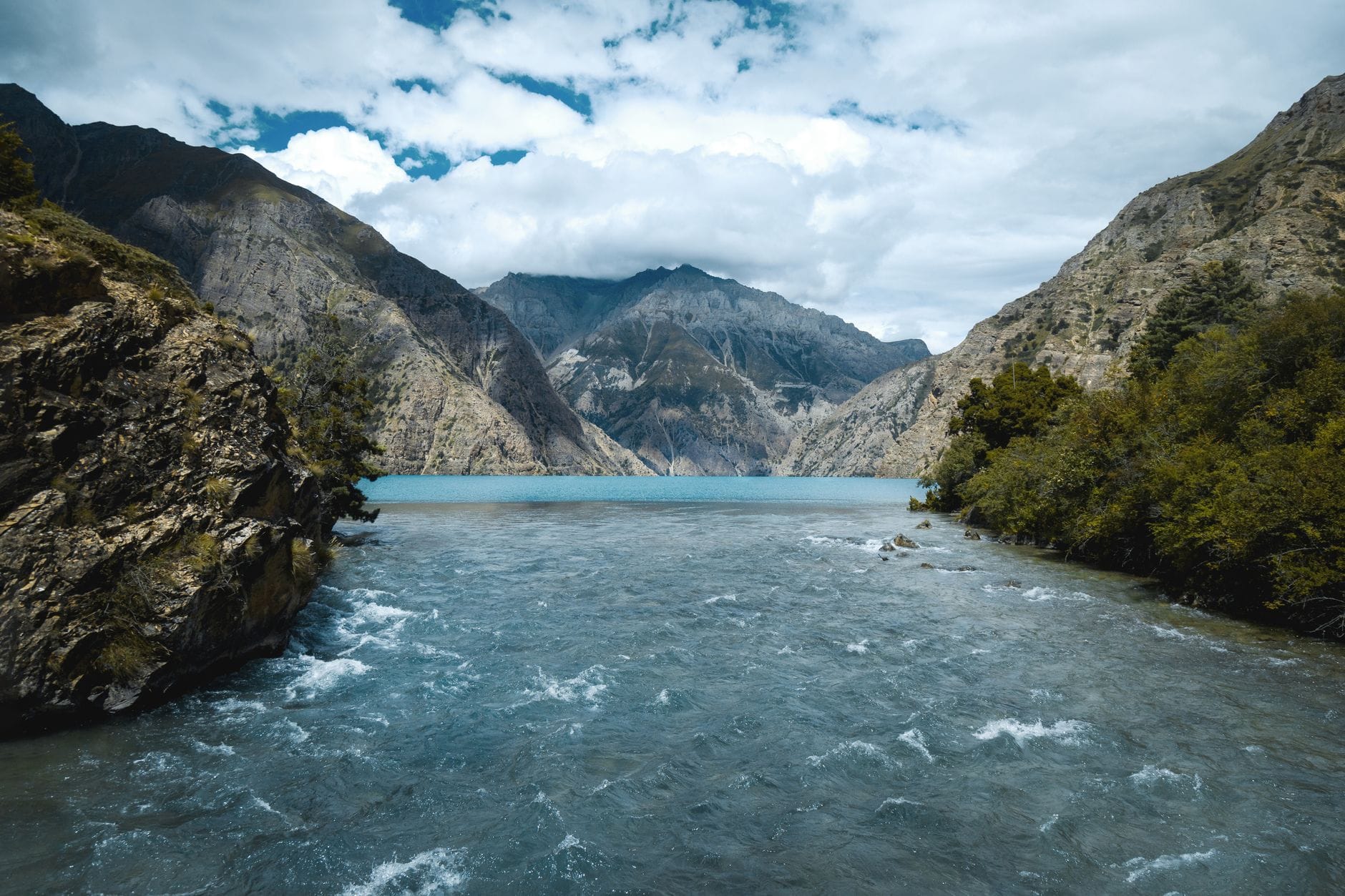
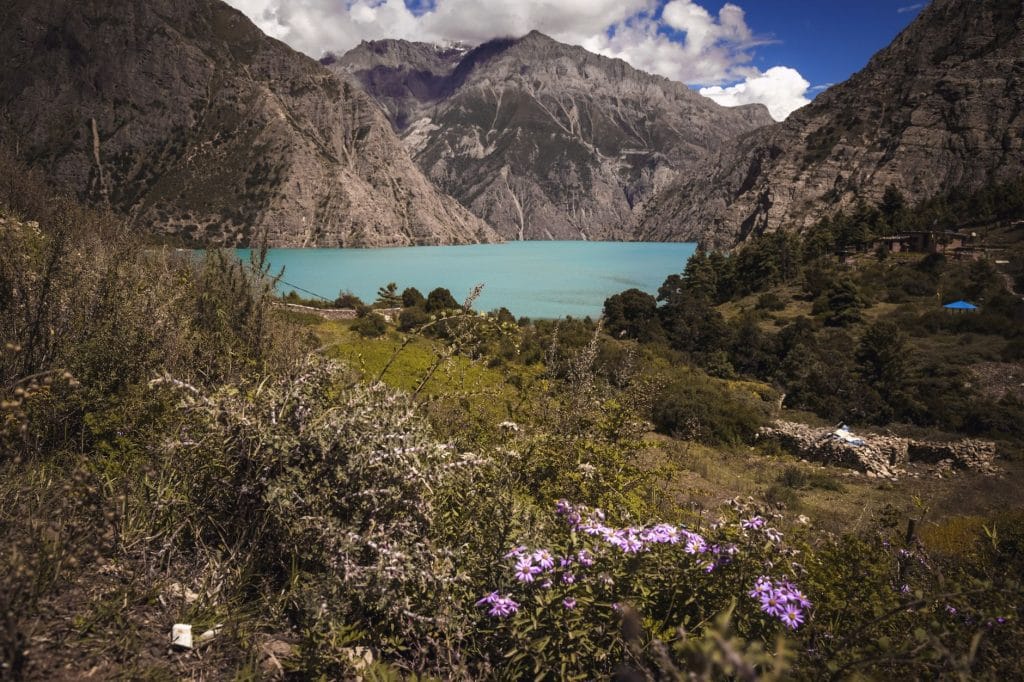
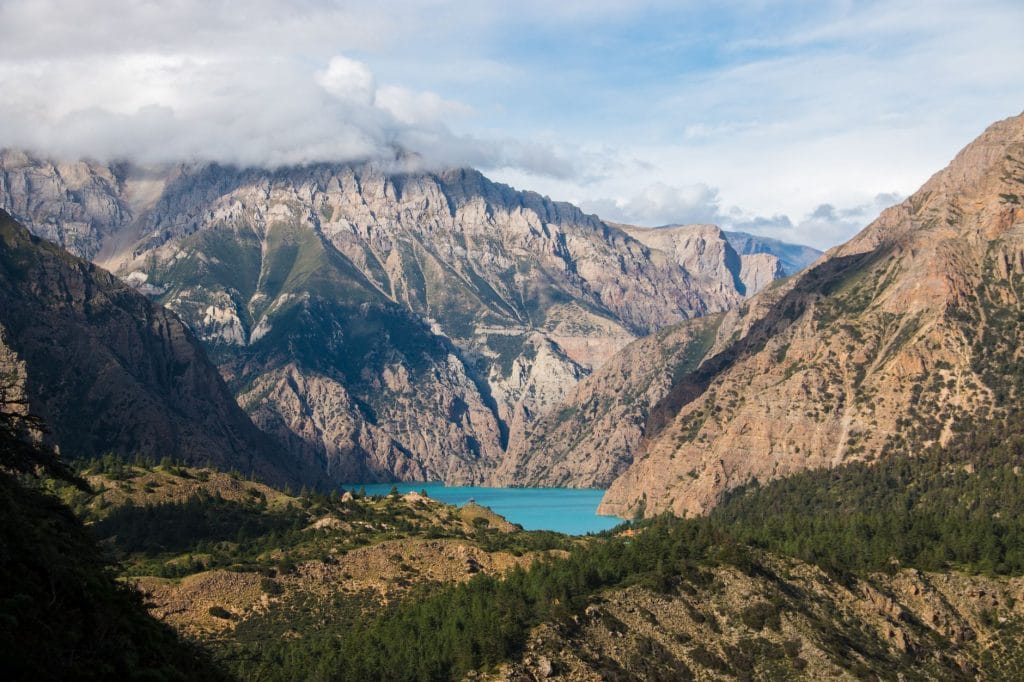
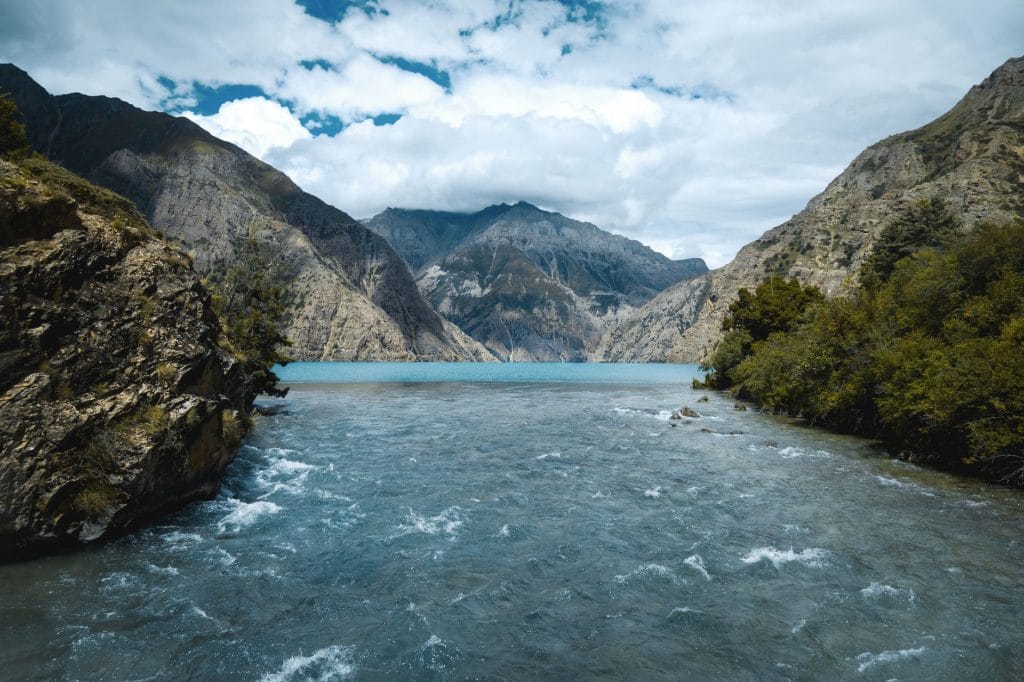
Turquoise Phoksundo Lake
Camp by Nepal's deepest alpine lake at 3,610 meters, fed by glacier melt and framed by sheer cliffs.
Bon-Po Culture Villages
Pass through ancient settlements like Ringmo where pre-Buddhist shamanic traditions remain deeply practiced.
Rugged Trail Logistics
Fly into Juphal via STOL aircraft from Nepalgunj after connecting overland from Kathmandu or Pokhara.
Barren Trans-Himalayan Scenery
Walk through wind-scoured landscapes sharing geological traits with the Tibetan Plateau rather than the green southern foothills.
Strict Permit Controls
Requires both She-Phoksundo National Park entry fees and a specialized Lower Dolpo Restricted Area permit with a licensed guide.
Trail Photos & Videos
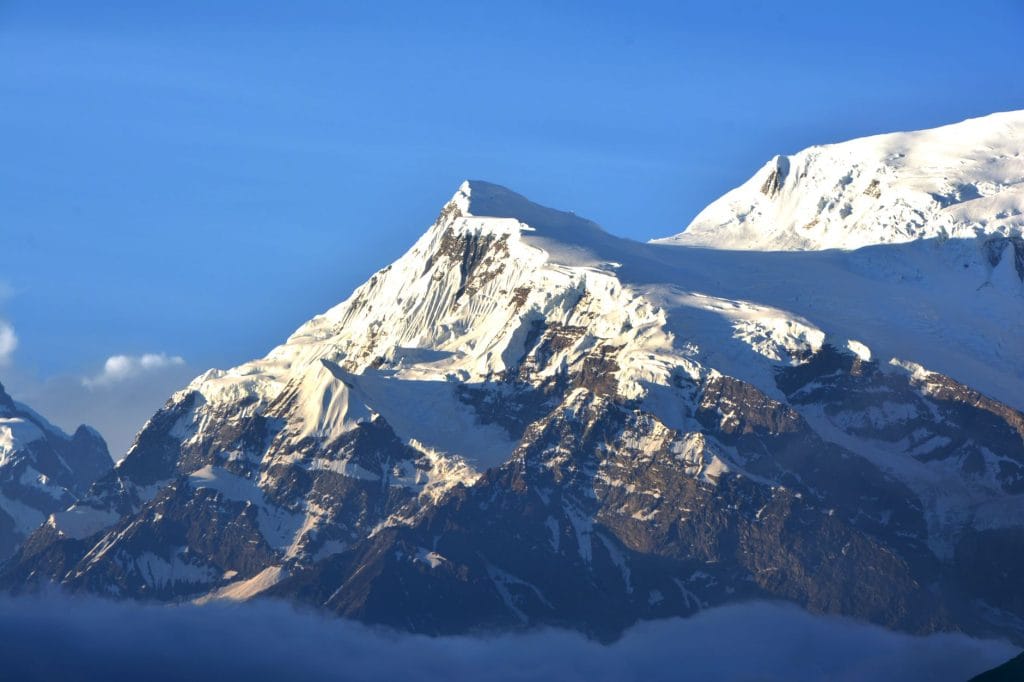
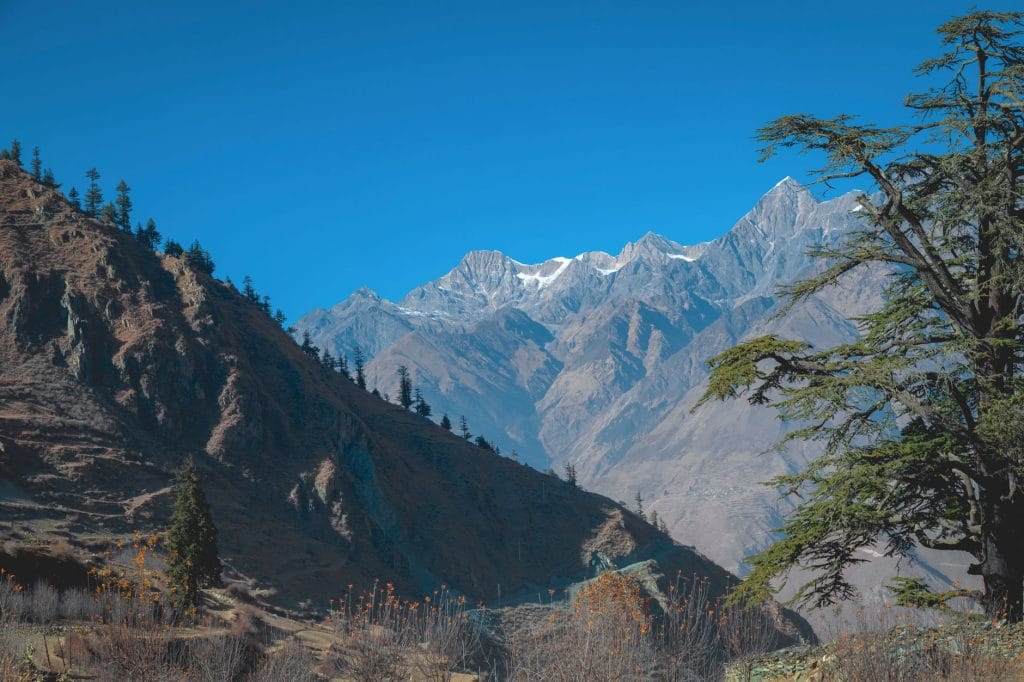
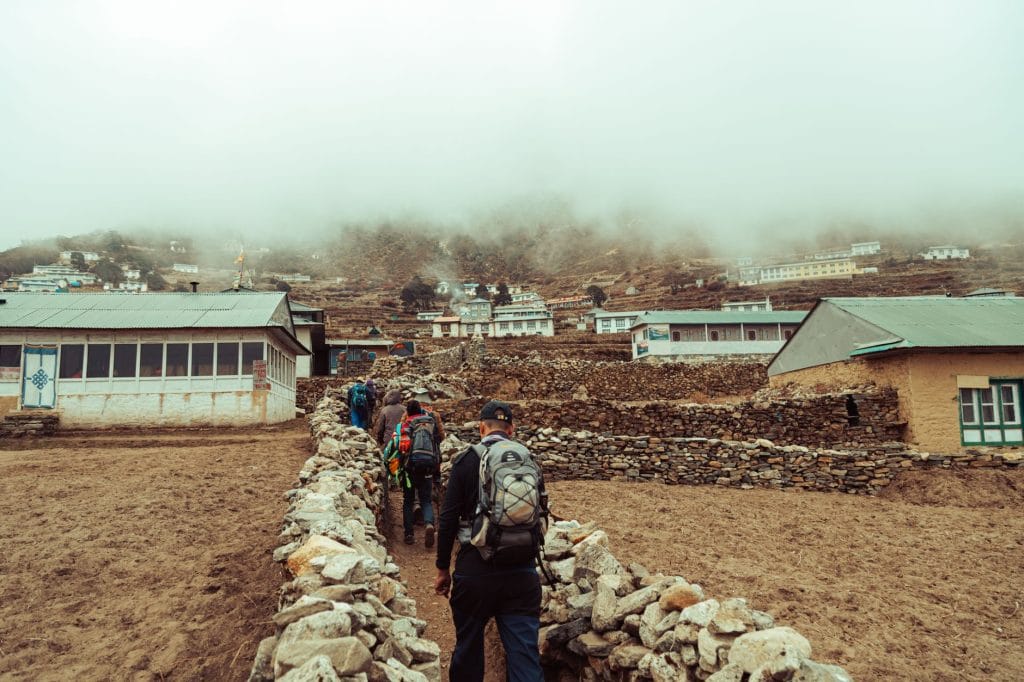
High-definition captures and video clips from Himalayan passes, glacial lakes, Sherpa villages, and mountain summits.
Lower Dolpo Trek (18 Days) Trail Map
Interactive OpenStreetMap topographic trail map tracing the route.
Key High-Altitude Stops
Compatible with Garmin, Apple Watch, Strava & Gaia GPS
Lower Dolpo Trek (18 Days) Weather Center
Real-time mountain weather and 5-day altitude forecasts across key Lower Dolpo Trek (18 Days) waypoints.
Loading weather for ...
Choose waypoint
Altitude Chart & Acclimatization Nodes
Strict adherence to "Hike High, Sleep Low" ensures safe high-altitude adaptation.
Complete Itinerary Route
Explore the detailed day-by-day routing, acclimatization schedule, and trek milestones.
Arrival in Kathmandu (1,350m)
Arrive at Tribhuvan International Airport and transfer to your hotel. Use the afternoon to review permits for the Dolpo region, check trekking gear, and complete the official briefing covering high-altitude safety protocols before departing for western Nepal.
Kathmandu to Nepalgunj (150m)
Board a domestic turboprop flight heading southwest to the Terai plains of Nepalgunj. The air turns warm and humid as you approach the Indian border. Spend the afternoon resting and preparing for tomorrow's mountain flight to Juphal.
Nepalgunj to Juphal (2,475m) and Trek to Dunai (2,140m)
HighlightCatch an early morning mountain flight over rugged ridges to the short airstrip at Juphal. Organize loads with porters, then descend along the Thuli Bheri River on a wide gravel path through walnut groves to reach the administrative headquarters at Dunai.
Dunai to Tarakot (2,540m)
HighlightFollow the southern bank of the Bheri River past terraced fields and hanging suspension bridges. The trail winds through traditional stone villages before climbing gently to Tarakot, an ancient fortified settlement perched on a ridge above the confluence of two rivers.
Tarakot to Laina Odar (3,375m)
Traverse steep canyon walls along the Tarap Chu River. The path narrows as it cuts through dramatic rock gorges with turquoise water churning below. Arrive at Laina Odar, a natural rock overhang historically used as a shelter by local herdsmen.
Laina Odar to Toltol (3,520m)
HighlightClimb steadily past pine forests and cascading waterfalls spilling down sheer cliff faces. The valley gradually widens as you approach Toltol, where stone-built shelters offer basic accommodation beneath towering limestone peaks.
Toltol to Dho Tarap (3,944m)
HighlightAscend above the treeline into arid high-altitude terrain characteristic of the inner Himalaya. Pass Mani walls and Chortens before entering Dho Tarap, a fascinating multi-ethnic village where Tibetan Buddhist and Bon-po cultures thrive side by side.
Acclimatization Day in Dho Tarap (3,944m)
AcclimatizationDedicate the day to physiological recovery and red blood cell adaptation above 3,500 meters. Explore the local monasteries, observe daily nomadic life, and take a short hike up the surrounding ridges to assist acclimatization before crossing high passes.
Dho Tarap to Numa La Base Camp (4,400m)
HighlightFollow the Tarap Chu upstream through wide alpine plains. The vegetation thins out completely into high tundra grazed by blue sheep and yaks. Set camp below the massive moraine walls leading up to the Numa La pass.
Cross Numa La Pass (5,309m) to Pelung Tang (4,465m)
HighlightStart before dawn to tackle the grueling ascent up loose scree and boulder fields toward the prayer-flag-draped summit of Numa La. Enjoy sweeping views of Dhaulagiri II before descending steeply through rocky troughs to the sheltered pasture of Pelung Tang.
Pelung Tang to Dho Tarap via Baga La Base Camp (4,380m)
HighlightDescend along mountain streams through isolated valleys before turning west toward the approach for the second major hurdle of the circuit. Camp near the base of Baga La amidst glacial moraines and scrub juniper patches.
Cross Baga La Pass (5,190m) to Dung Kathang (3,950m)
HighlightClimb steeply over icy patches and stone steps to reach the windy crest of Baga La. Descend through a rugged ravine past frozen tarns and pine thickets down to the pastoral campsite at Dung Kathang.
Dung Kathang to Ringmo / Phoksundo Lake (3,640m)
Descend through cedar forests and traditional wooden hamlets until the magnificent deep-blue waters of Phoksundo Lake come into view. Arrive at Ringmo, a picturesque Tibetan village situated on the shores of Nepal's deepest lake.
Exploration Day at Phoksundo Lake (3,640m)
HighlightSpend the day exploring the pristine shores of Phoksundo Lake and visiting the ancient Bon-po monastery perched on the cliffs above the water. Observe the unique local culture and the dramatic waterfall plunging from the lake outlet.
Phoksundo Lake to Chhepka (2,838m)
HighlightTrace your path downstream along the Poksundo Khola, descending rapidly through dense pine and birch forests. Cross suspension bridges over roaring torrents as the air thickens with oxygen near Chhepka.
Chhepka to Juphal (2,475m)
Complete the final stretch of walking through terraced agricultural fields and small farming settlements along the river valley. Arrive back in Juphal by afternoon and confirm flight manifests for tomorrow's departure.
Juphal to Nepalgunj and Fly to Kathmandu (1,350m)
Board an early morning STOL flight from Juphal to Nepalgunj, then connect onward to Kathmandu. Check into your hotel and enjoy a celebratory evening meal after completing the remote western mountain circuit.
Departure from Kathmandu (1,350m)
Transfer to Tribhuvan International Airport three hours prior to your international flight departure, carrying verified permit records and memories of the remote Dolpo valleys.
What's Covered & What's Not
A clear breakdown so you know exactly what to budget for and what's already taken care of.
Lower Dolpo Restricted Area Permit
- Mandatory USD 200 per week restricted area permit per person issued by the Department of Immigration.
Shey Phoksundo National Park Permit
- National park entry permit costing NPR 3,000 per person.
Domestic Flight / Road Transit
- Flight from Kathmandu to Nepalgunj and onward flight to Juphal, plus shared jeep transfers.
Lodge Accommodation
- Basic teahouse lodging throughout the circuit in Dunai, Tarakot, Dunai, Chhepka, Ringmo, and Phoksundo.
International Airfare
- Flights from your home country to Kathmandu.
Nepal Visa on Arrival
- Tourist visa fees payable at Tribhuvan International Airport ($50 USD for 30 days).
Emergency Evacuation Insurance
- Comprehensive rescue policy covering high-altitude helicopter extraction above 4,000m.
Personal Trail Expenses
- Battery charging, hot shower fees, Wi-Fi access, bottled water, and hot lemon or garlic soup.
Trail Meals & Hydration Rules
What to eat for stamina and altitude safety
Dhal Bhat Power
Rice, lentil soup, spiced potato, and spinach. Always comes with free refills to refuel after long trail days in Dolpo.
Garlic Soup
Thin clear garlic broth. Local cooks prepare this with fresh mountain garlic to aid circulation and warmth in high passes.
Boiled & Fried Potatoes
Dense carbohydrate source harvested locally in the high valleys, served with salt or chili paste.
Tibetan Bread & Honey
Deep-fried puffed flatbread served with local honey or jam for a calorie-dense breakfast before crossing high ridges.
Thukpa Noodle Soup
Hot noodle broth with vegetables and local herbs, helpful for hydration and warmth in remote camps.
Boiled Eggs
Reliable morning protein source available at teahouses throughout the lower and upper valleys.
Boiled Water Refills
Purchase boiled water from teahouse kitchens each evening and fill insulated flasks to prevent overnight freezing.
Ginger Lemon Honey Tea
Hot drink that soothes the dry throat caused by cold mountain air and high altitude.
Electrolyte Sachets
Mix rehydration salts into filtered water during steep afternoon ascents to maintain mineral balance.
Chlorine Tablets
Carry chlorine dioxide or iodine tablets for secondary treatment when boiled water is unavailable on remote trail stretches.
Vegetarian Focus
Vegetarian dishes rely on fresh local lentils, rice, and root vegetables, making them the safest daily meal choice.
Rice & Potato Staples
Naturally gluten-free meals of rice and potatoes dominate lodge menus throughout the route.
Black Tea Option
Order black tea or black coffee to avoid powdered milk if you have dairy sensitivities.
Advance Dinner Orders
Lodge kitchens in remote western regions require meal orders by late afternoon to prepare ingredients efficiently.
No Meat Above Dunai
Meat carried up on porters or pack animals lacks refrigeration and spoils easily in warm valley sections.
No Alcohol Near Passes
Alcohol accelerates dehydration and suppresses respiration rates during overnight sleep at high elevations.
No Raw Stream Water
Avoid drinking directly from rivers or irrigation channels due to livestock contamination upstream.
Skip Uncooked Greens
Raw salads washed in untreated water can cause severe gastrointestinal illness far from medical facilities.
Trip Preparation & Rules
Paperwork, flight baggage limits, and cash guidelines
Passport & Tourist Visa
Passport valid for 6+ months. Get 30-day visa ($50 USD cash) on arrival at Kathmandu airport.
Helicopter Evacuation Insurance
Policy must explicitly cover high-altitude rescue up to 6,000m+. Keep policy number on your phone.
Passport Photos
Bring 4 printed passport photos for local permit counters and SIM card registration.
Shey Phoksundo National Park Permit
Mandatory entry permit required for entering the protected area of the upper Dolpo region.
Restricted Area Permit (RAP)
Special government permit required for foreigners, issued only through a registered local agency with a minimum of two trekkers.
Local Municipality Fee
Rural municipality entry fee paid at the respective district checkpoints along the southern approach.
Strict 10kg Checked Weight Limit
Stol flights to Juphal strictly enforce a 10kg checked duffel limit plus 5kg hand luggage.
Excess Baggage Charges
Weight exceeding the limit incurs per-kilogram fees, subject to aircraft cargo capacity.
Weather Contingency Buffer
Flights between Nepalgunj and Juphal are frequently delayed by morning fog or high winds. Build 2 extra buffer days into your schedule.
Carry Nepali Rupees in Cash
Carry sufficient cash from Kathmandu or Nepalgunj. ATMs in Dunai or Juphal are unreliable or non-existent.
Daily Spend Estimate
Budget between 4,000 to 6,000 NPR per day for basic meals, hot water, and electronic charging in remote lodges.
Small Denominations Preferred
Keep 100, 500, and 1,000 rupee notes handy. High-altitude teahouses cannot provide change for large notes.
Trail Customs & Rules
Practical rules for passing animals, stupas, and village paths
Pass Stupas Clockwise
- •Always keep Mani stones, chortens, and mani walls on your right side.
- •Spin prayer wheels in a clockwise direction only.
- •Never sit or place gear on inscribed sacred stones.
Pack Animal Right-of-Way
- •Step toward the mountain wall side when mule trains or yak caravans pass.
- •Never stand on the outer cliff edge as packs can easily nudge you off balance.
- •Wait for the entire caravan and its handlers to clear before resuming walking.
Photography Protocols
- •Ask permission before photographing locals, monks, or children.
- •Never use flash inside monastery prayer halls where ancient murals can be damaged.
- •Contribute a small cash donation in the box if entering active gompas.
Waste & Water Management
- •Carry all non-biodegradable trash, foil wrappers, and batteries back out to urban centers.
- •Avoid throwing wet wipes or plastic items into local pit latrines.
- •Treat water with chlorine dioxide or UV filters rather than generating plastic waste.
Village and Home Etiquette
- •Remove footwear before stepping inside teahouse dining rooms or private homes.
- •Dress modestly in rural settlements, keeping shoulders and knees covered.
- •Ask permission before stepping into private courtyards or agricultural storage areas.
Local Interaction Boundaries
- •Avoid handing out sweets or cash to village children to prevent begging habits.
- •Support local village economies by purchasing basic supplies directly from teahouses.
- •Greet locals politely with a respectful 'Namaste' using palms pressed together.
Permits & Emergency Directory
Current permit fee structures and official emergency contacts for Lower Dolpo
Required Permits & Mandatory Fees
-
📜Shey Phoksundo National Park Permit NPR 3,000
Required entry permit for all foreign nationals entering the Shey Phoksundo National Park area, obtainable at the NTB office in Kathmandu or Pokhara.
-
🛡️Lower Dolpo Restricted Area Permit USD 20 per week
Mandatory special restricted area permit for entering Lower Dolpo, which requires a minimum of two trekkers and a licensed guide.
-
🛂Dolpo Buddha Rural Municipality Fee NPR 2,000
Local development and entry fee collected by the local rural municipality at regional checkpoints along the trail.
Nepal Tourism Directory
Official contact channels for permits, park regulations, and emergency rescue assistance.
Power, Connectivity & Showers
Realistic day-to-day guide for charging, phones, and hygiene
Device Charging
Electricity in teahouses comes from small local hydro or solar setups. Power sockets in rooms are rare and incur extra fees. Expect to pay Rs 300 to 600 per full charge for phones or battery banks in dining halls. Carry a high-capacity power bank and spare lithium batteries because cold temperatures drain cell phone charge rapidly.
Mobile SIM & Wi-Fi
Nepal Telecom (NTC) provides sporadic cellular signals up to Dunai and parts of Juphal, but reception drops significantly once inside the restricted gorge sections. Ncell service fades even sooner. Satellite Wi-Fi cards sold at larger lodges are slow, expensive, and subject to weather interruptions.
Hot Showers
Bucket hot water heated over firewood or basic gas showers cost between Rs 400 and 700 per use. Availability drops sharply above 3,500 meters where freezing night temperatures make unheated bathrooms impractical. Pack biodegradable wet wipes and hand sanitizer for days when warm washing is unavailable.
Water & Purification
Bottled mineral water becomes scarce and environmentally damaging past Dunai. Bring two wide-mouth water bottles and chemical purification tablets or a lightweight UV purifier. Boiling water at teahouses costs Rs 100 to 200 per liter.
Altitude Safety & Health
How to handle altitude symptoms and emergency protocols
Daily Symptom Monitoring
Watch closely for early AMS signs: persistent headache, loss of appetite, nausea, dizziness, and insomnia.
Helicopter Evacuation
In case of severe HAPE or HACE, guides dispatch emergency rescue helicopters to Kathmandu hospitals.
Satellite SOS Communication
Carry a Garmin inReach or ensure your guide carries satellite SOS for dead-zone sections.
Hydration and Hot Drinks
Count hot lemon, black tea, and garlic soup toward daily hydration goals alongside filtered water.
The Golden Altitude Rule
If you have a headache, nausea, or dizziness, do NOT ascend. If symptoms worsen after resting, descend 300–500m immediately. Descent is the only guaranteed cure.
Highland Communities & Alpine Ecology
Indigenous Tibetan-influenced settlements and resilient mountain wildlife along the Dolpo route
Bodic Cultural Enclaves
Traditional stone settlements of Dolpo-pa people where Tibetan dialects, polyandry, and ancient barter traditions persist.
Flat-Roofed Mud & Stone Architecture
Stacked-stone homes featuring layered firewood stacked on flat timber roofs to dry through high-altitude winters.
Traditional Salt & Grain Trade
Historical caravan routes where yak and sheep pack trains still move lowland grains upward in exchange for high-altitude salt.
Bon Po Monasteries & Shrines
Ancient pre-Buddhist Bon shrines where prayer rituals and clockwise circumambulation follow black swastikas.
Chortens & Mani Stone Walls
Intricately carved slate mani walls and whitewashed chortens guarding village entry points across arid river basins.
Sacred Crystal Mountain
Geological formations and high ridges revered locally as spiritual abodes of protective deities and past saints.
Blue Sheep & Snow Leopards
Steep rocky crags shelter herds of blue sheep, serving as primary prey for elusive snow leopards in upper gorges.
Arid High-Altitude Flora
Low-growing alpine shrubs, caragana, and medicinal herbs adapted to dry winds and intense solar radiation.
Highland Raptors
Lammergeiers, Himalayan griffons, and golden eagles riding thermal updrafts over barren canyon rims and high passes.
Essential Packing Checklist
Prepare 1 duffel bag (handled by porter team) and 1 daypack for personal warm layers & water.
Frequently Asked Questions
Practical details for planning the Lower Dolpo Trek